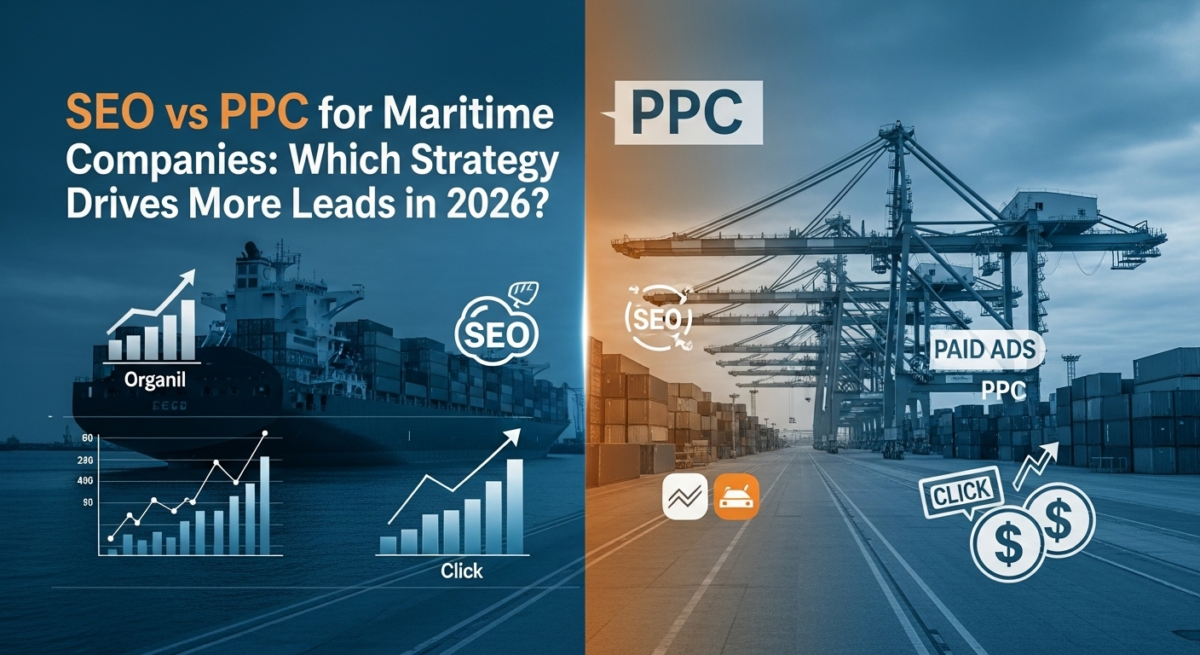
The maritime industry is no longer driven solely by relationships, trade shows, and referrals. In 2026, digital visibility has become a critical factor for growth in shipping, freight forwarding, and logistics businesses.
Whether you’re a shipping company, port service provider, or freight forwarder, one key question stands out:
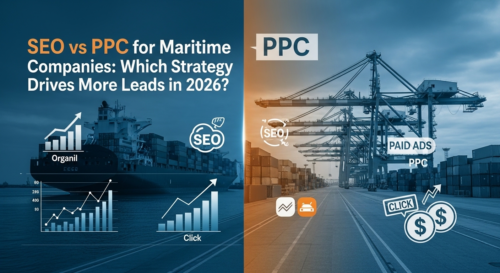
Should you invest in SEO for long-term growth or PPC for immediate results?
The answer isn’t as simple as choosing one over the other. Understanding how each strategy works and when to use it can determine how many leads you generate and how fast your business grows.
What is SEO for Maritime Companies?
Definition & How It Works
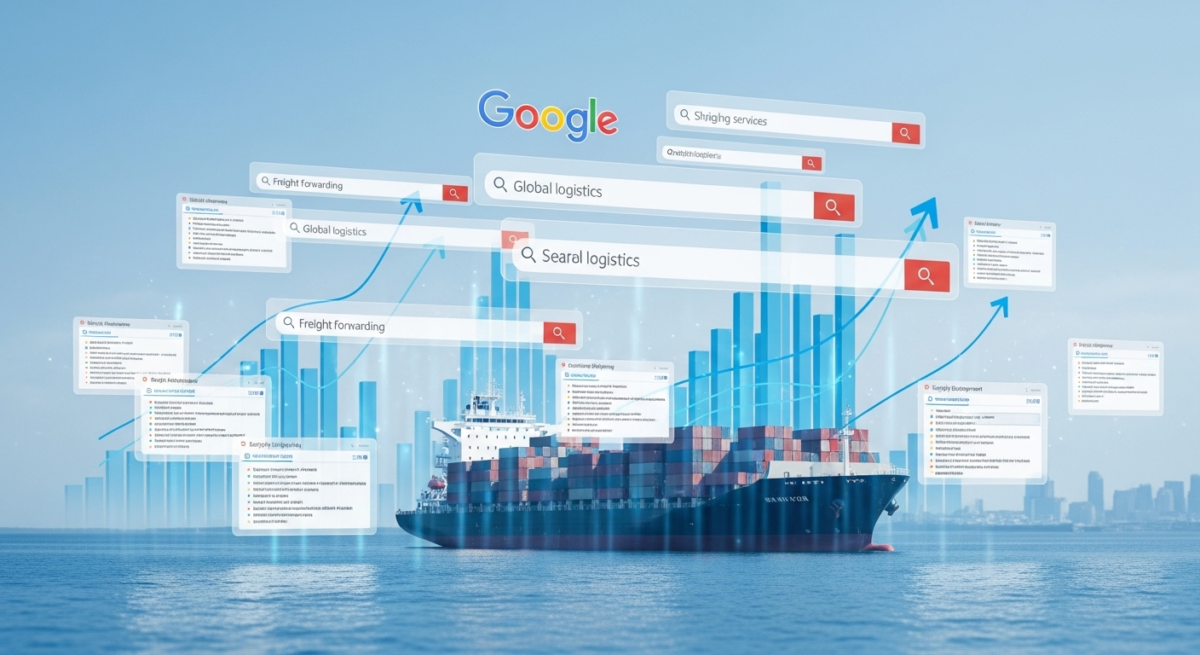
Search Engine Optimization (SEO) is the process of improving your website’s visibility on Google so potential clients can find your services organically.
For maritime companies, this includes ranking for keywords like:
- Freight forwarding services
- International shipping company
- cargo logistics solutions
Benefits of SEO in the Maritime Industry
- Long-Term Traffic Growth
Once you rank, your website continues to attract traffic without paying per click. - Builds Trust and Authority
B2B buyers in shipping often research extensively before choosing a partner. - Cost-Effective Over Time
Unlike ads, SEO continues working even when you stop investing heavily. - High-Intent Leads
Users searching organically are often further along in the decision process.
Challenges of SEO
- Takes 3–6 months (or more) to see strong results
- Requires continuous content and optimization
- Competitive keywords in logistics can be difficult to rank
What is PPC for Maritime Companies?
Definition & How It Works
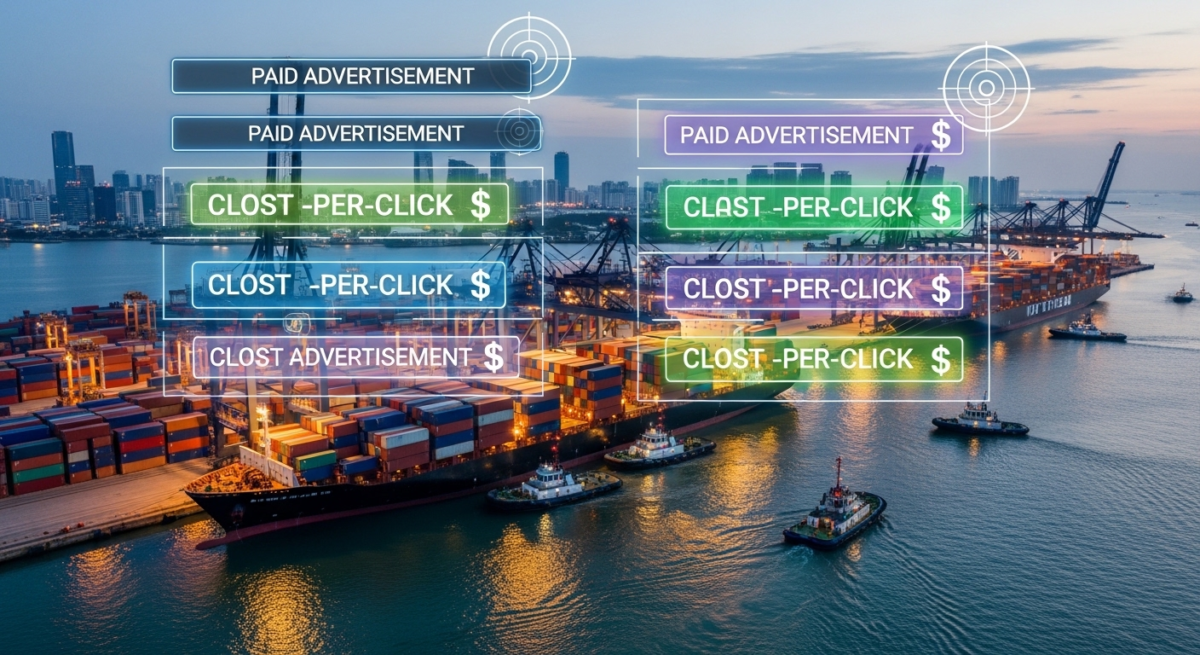
Pay-Per-Click (PPC) advertising allows maritime companies to appear at the top of search engine results instantly by paying for ad placements.
You bid on keywords such as:
- “freight quote near me”
- “shipping services international.”
Benefits of PPC
- Immediate Visibility
Your business appears at the top of search results instantly. - Fast Lead Generation
Ideal for companies needing quick inquiries or bookings. - Precise Targeting
Target by location, industry, shipping routes, and more. - Measurable ROI
Easily track clicks, conversions, and cost per lead.
Challenges of PPC
- High cost-per-click in logistics niches
- Leads stop when ad spend stops
- Requires constant monitoring and optimization
SEO vs PPC – Key Differences for Maritime Businesses
Speed of Results
- SEO: Slow but sustainable
- PPC: Instant but temporary
Cost Comparison
- SEO: Upfront investment with long-term payoff
- PPC: Ongoing cost for continuous visibility
Lead Quality
- SEO: Higher trust and credibility
- PPC: High intent but sometimes less trust
ROI Over Time
- SEO: Compounds and improves over time
- PPC: Linear results tied directly to the budget
When Should Maritime Companies Choose SEO?
SEO is ideal if your goal is:
- Long-term growth and sustainability
- Building brand authority in global trade
- Reducing dependency on paid ads
- Creating valuable content (guides, compliance, routes, insights)
When Should Maritime Companies Use PPC?
PPC works best when:
- Launching new shipping routes or services
- You need leads immediately
- Testing new markets or regions
- Running time-sensitive campaigns
The Best Strategy: Combining SEO + PPC
The most successful maritime companies don’t choose between SEO and PPC; they use both strategically.
Why This Hybrid Approach Works
- Dominate Search Results (paid + organic listings)
- Use PPC Data to Improve SEO Keywords
- Retarget Website Visitors with Ads
- Increase Brand Visibility and Trust
Real-World Strategy for Maritime Companies (Step-by-Step)
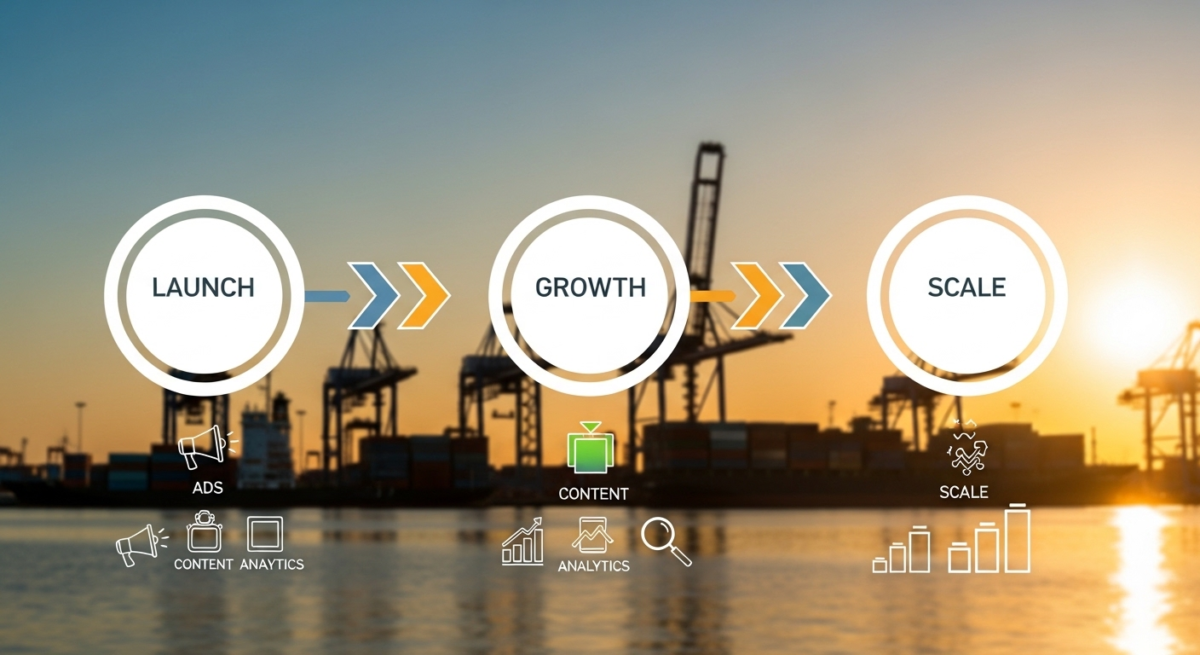
Phase 1 – Use PPC for Quick Wins
- Launch targeted Google Ads campaigns
- Focus on high-intent keywords
- Generate immediate leads
Phase 2 – Build SEO Foundation
- Optimize service pages
- Create blog content targeting industry queries
- Improve technical SEO (site speed, mobile optimization)
Phase 3 – Scale with Both
- Reduce PPC spend on keywords where you rank organically
- Retarget users who visited your website
- Expand into global search markets
Common Mistakes Maritime Companies Make
- Relying only on referrals and offline networking
- Ignoring SEO completely
- Spending heavily on PPC without tracking ROI
- Not optimizing the website for conversions
Final Verdict: What Works Best in 2026?
- SEO = Long-Term Growth & Authority
- PPC = Immediate Leads & Speed
Best Strategy: A hybrid approach that leverages both.
Companies that combine SEO and PPC effectively generate more leads, reduce costs over time, and dominate their market.
FAQs
Is SEO or PPC better for shipping companies?
A combination of both works best for SEO for long-term growth and PPC for immediate results.
How long does SEO take in the maritime industry?
Typically 3–6 months, depending on competition and content quality.
Is PPC worth it for freight forwarding businesses?
Yes, especially for generating quick leads and testing new services or routes.
What is the best marketing strategy for logistics companies?
A hybrid digital strategy combining SEO, PPC, and content marketing delivers the best results.
How can maritime companies generate more leads online?
By combining SEO, PPC, optimized landing pages, and targeted content strategies.