Maritime SEO is the process of optimizing shipping and logistics websites so they rank on Google for high-intent searches like freight services, shipping routes, port operations, and maritime solutions. Shipping companies rank by targeting industry-specific keywords, building authority content, optimizing technical SEO, and aligning with how B2B buyers research logistics partners online.
TL;DR — Key Takeaways for Shipping Companies
- Maritime SEO targets B2B, high-value, low-volume keywords — not mass traffic
- Decision-makers research routes, ports, compliance, and capabilities before contacting you
- Ranking requires technical SEO + industry authority + trust signals
- Google favors shipping companies that demonstrate real operational expertise
- SEO compounds — one strong page can drive leads for years
Why This Matters Now?
Here’s the truth most shipping companies don’t like to hear.
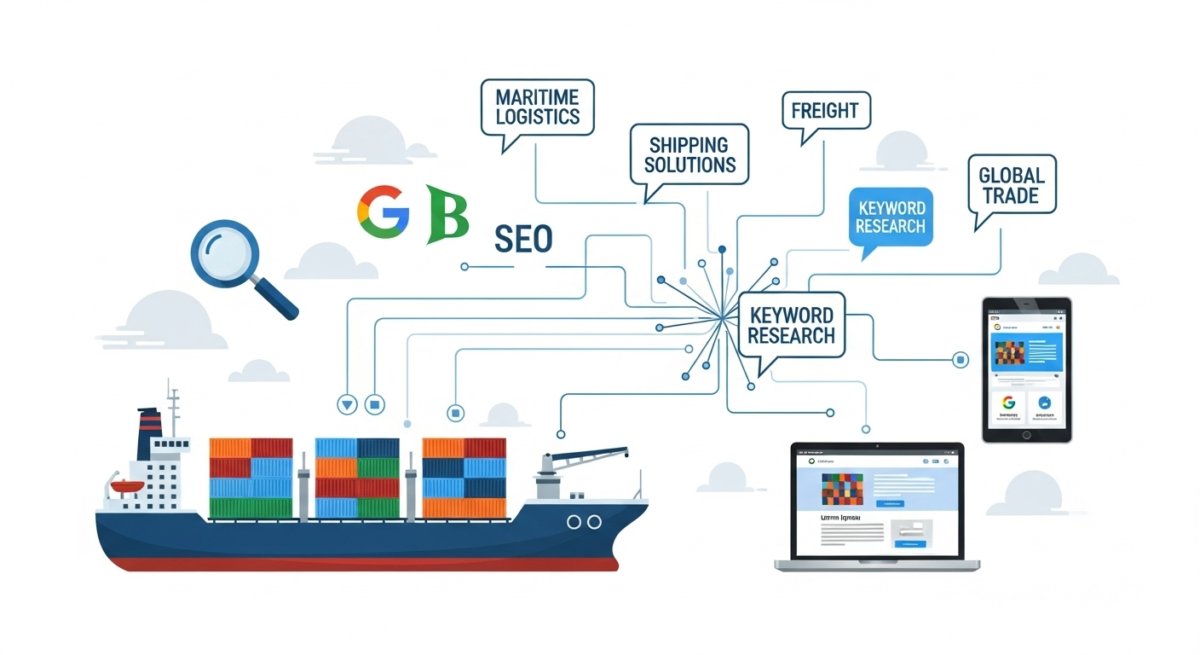
Your biggest competitors aren’t just other carriers or freight forwarders anymore. They’re whoever shows up first on Google when a logistics manager types, “bulk cargo shipping Middle East to Europe” at 11:47 PM before a deadline.
I’ve seen technically excellent shipping companies lose million-dollar contracts simply because their website looked invisible, outdated, or untrustworthy online.
That’s where maritime SEO comes in.
What Is Maritime SEO (and How Is It Different from Normal SEO)?
Short answer: Maritime SEO is SEO adapted to how the shipping industry actually works.
Most SEO advice online is built for e-commerce, blogs, or SaaS. Shipping doesn’t operate like that. Your buyers are:
- Procurement managers
- Chartering teams
- Commodity traders
- Government or port authorities
They don’t search casually. They search with intent and risk in mind.
What Makes Maritime SEO Unique?
Let me break it down from experience:
| Standard SEO | Maritime SEO |
| High traffic keywords | High-value, low-volume keywords |
| Short buying cycles | Long B2B decision cycles |
| Emotional purchases | Risk-driven, compliance-focused decisions |
| Generic content | Technical, operational content |
I’ve watched shipping executives ignore SEO because “search volumes are low.”
That’s a mistake. One ranked page can be worth hundreds of thousands in contracts.
How Do Shipping Clients Actually Search on Google?
This part surprises people.
They don’t search your company name first.
They search problems, routes, and requirements.
Real Maritime Search Examples
- “break bulk shipping services India to UAE”
- “IMO compliant chemical tanker operator”
- “freight forwarding company near Port of Rotterdam”
- “project cargo shipping wind turbines”
Notice something?
These aren’t marketing keywords.
They’re operational queries.
If your site doesn’t answer them clearly, Google won’t rank you — and buyers won’t trust you.
Which Maritime Keywords Actually Drive Revenue?
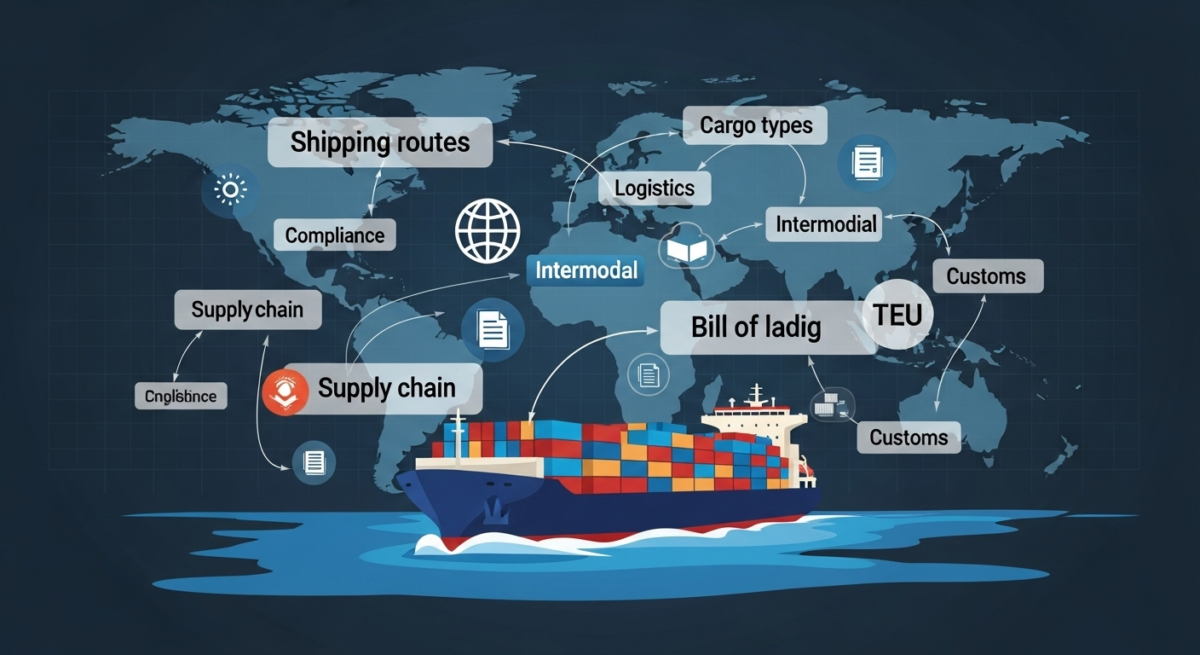
Direct answer: Keywords tied to routes, cargo types, ports, and compliance.
Traffic numbers don’t matter as much as commercial intent.
High-Intent Maritime Keyword Categories
- Service-based: freight forwarding, chartering, ship agency
- Cargo-based: bulk cargo, project cargo, Ro-Ro, containers
- Route-based: Asia–Europe shipping, Middle East exports
- Port-based: Port of Singapore logistics, Houston port services
- Compliance-based: IMO regulations, hazardous cargo handling
This is where SEO becomes sales.
I’ve seen a single “Project Cargo Shipping Services” page outperform entire blogs — because it spoke directly to decision-makers.
Why Google Trust Is Everything in the Maritime Industry
Shipping is high-risk. Delays cost money. Mistakes cost reputations.
Google understands that.
That’s why E-E-A-T (Experience, Expertise, Authority, Trust) matters so much in maritime SEO.
What Google Looks for on Shipping Websites
- Clear explanation of services and capabilities
- Evidence of real-world experience
- Industry terminology used correctly
- Transparent company information
- Authoritative content, not fluff
If your site sounds generic, Google treats it like a generic option.
How Shipping Companies Should Structure Their Website for SEO
Here’s where most maritime websites quietly fail.
They’re built like brochures, not search engines expect them to be built.
A High-Performing Maritime SEO Site Structure
- Homepage → Authority overview
- Service pages → One per core offering
- Route pages → Key trade lanes
- Industry pages → Cargo or sector specialization
- Insights / resources → Demonstrate expertise
This structure helps Google understand what you do and buyers trust you faster.
On-Page SEO for Shipping Companies (What Actually Works)
Let me be blunt.
Stuffing “shipping company” into every heading doesn’t work anymore.
What does work?
On-Page SEO Best Practices for Maritime Sites
- Clear H1s tied to services or routes
- Short, direct explanations early on
- Technical terms used naturally
- Internal links between related services
- Real operational examples
This aligns with modern on-page SEO principles .
Content That Ranks: What to Publish (and What to Avoid)
Direct answer: Publish content that explains how shipping works in practice.
Avoid:
- Generic “What is logistics?” blogs
- Fluffy trend articles
- AI-sounding filler
Content That Actually Ranks in Maritime SEO
- Route guides (“How shipping from China to Africa works”)
- Cargo handling explanations
- Compliance breakdowns
- Port-specific service pages
- Industry FAQs
This is how you earn authority, not just rankings.
Technical SEO: The Silent Deal-Breaker
Most shipping executives never see this — but Google does.
Technical SEO Essentials for Maritime Websites
- Fast loading (especially on mobile)
- Secure HTTPS
- Clean URLs
- Proper indexing
- Structured data
If your site is slow or broken, no amount of content saves it. This aligns with 2026 SEO audit standards.
Can Shipping Companies Rank in Google AI Overviews?
Yes, and they already are.
Google AI Overviews summarize trusted sources for complex queries.
Shipping content is perfect for this.
How to Get Featured in AI Overviews
- Start pages with clear, concise answers
- Use structured headings
- Publish authoritative explanations
- Keep content updated
This mirrors Google’s AI visibility guidance.
Maritime SEO Checklist (Quick Reference)
| Area | Priority |
| Service pages | High |
| Route-based content | High |
| Technical SEO | Critical |
| Trust signals | Critical |
| Blog frequency | Secondary |
Common Maritime SEO Mistakes
Let’s call them out.
- One generic “Services” page
- No route-specific content
- No internal linking
- Outdated site design
- Zero thought leadership
Every one of these costs ranks in credibility.
How Long Does Maritime SEO Take to Work?
Short answer: 3–6 months for traction, 6–12 for real authority.
Shipping SEO compounds.
A strong page today can bring leads for years, especially in niche trade lanes.
Is Maritime SEO Worth the Investment?
Here’s the honest answer.
If one contract pays for your SEO for 5 years, yes.
And in shipping, that’s common.
People Also Ask (AEO-Optimized)
What is maritime SEO?
Maritime SEO is the process of optimizing shipping and logistics websites so they rank for industry-specific searches related to freight, ports, cargo types, and shipping routes.
Why is SEO important for shipping companies?
Because decision-makers research logistics partners online before making high-value contracts.
How do shipping companies choose keywords?
By focusing on routes, cargo types, ports, and compliance-driven queries with commercial intent.
Can small shipping companies rank on Google?
Yes. Niche routes and specialized services allow smaller firms to outrank larger brands.
Does SEO work for B2B shipping?
Absolutely, B2B buyers rely heavily on search during research and vendor comparison stages.
Final Take: What This Means for Shipping Companies
Here’s what this really comes down to.
If your shipping company isn’t visible on Google, you’re invisible during the most important stage of the buying process.
Maritime SEO isn’t about traffic.
It’s about being trusted before the first call ever happens.
And that changes everything.