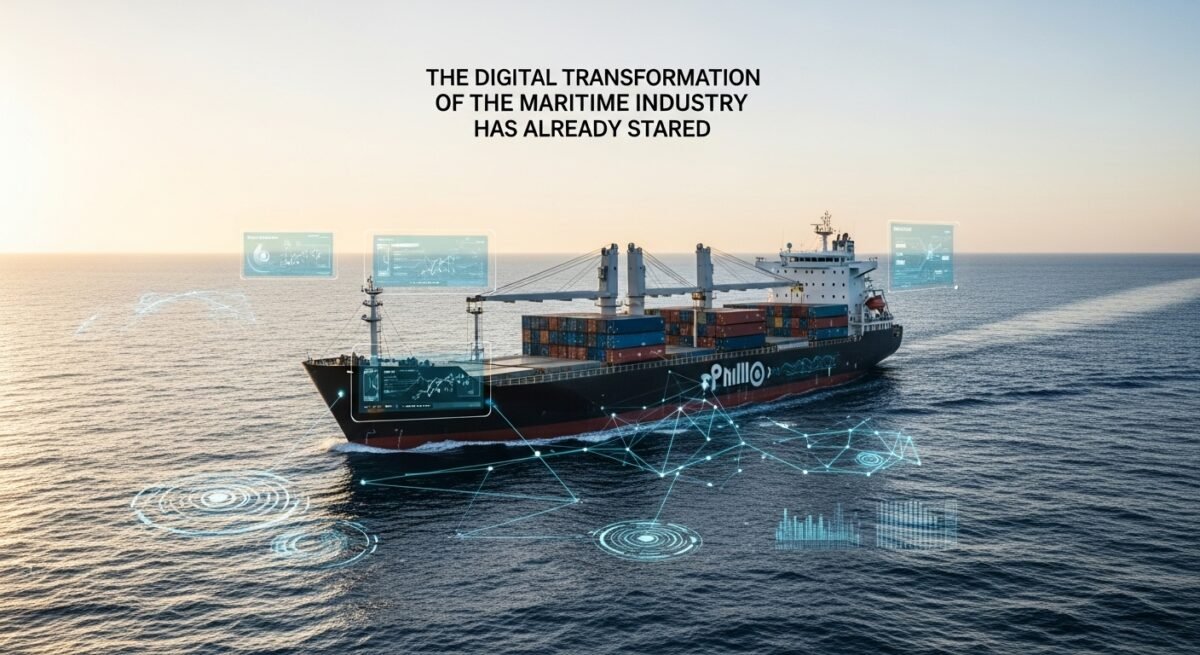
The digital transformation of the maritime industry isn’t coming; it’s already underway. From smart ships and AI-driven navigation to automated ports, blockchain logistics, and real-time emissions monitoring, shipping companies are actively replacing manual, paper-heavy processes with data-driven, connected systems that improve safety, efficiency, compliance, and profitability.
What’s really happening at sea
- Ships are becoming floating data platforms, not just steel hulls with engines
- Ports are digitizing faster than vessels, creating a tech gap that operators must close
- AI, IoT, and automation are now operational tools, not pilot projects
- Regulations on emissions are accelerating adoption, not slowing it
- Companies that delay digitalization are already paying more to operate
A quick reality check before we go deeper
If you picture maritime as slow-moving, tradition-bound, and resistant to change, that image is already outdated.
I’ve seen shipping executives say, “We’re not a tech company,” right up until fuel costs spike, a port bottleneck hits, or a regulator asks for emissions data they can’t easily produce. That’s when digital transformation stops being a buzzword and starts being a survival strategy.
Let’s break down what’s actually changing right now across ships, ports, logistics, and compliance.
What does “digital transformation” really mean in the maritime industry?
Digital transformation in maritime means integrating data, software, automation, and connectivity into vessels, ports, and supply chains to replace manual processes, reduce uncertainty, and enable real-time decision-making.
But in practice, it’s messier than that.
This isn’t one big software install. It’s hundreds of small changes:
- Sensors replacing handwritten engine logs
- Algorithms recommending optimal routes instead of gut instinct
- Digital twins simulating ship performance before problems occur
- Cloud platforms connecting the ship, shore, port, and cargo owners
A superintendent I once spoke with put it perfectly:
“We didn’t digitize to be modern. We digitized because guessing got too expensive.”
That mindset shift is everything.
How smart ships are changing daily maritime operations
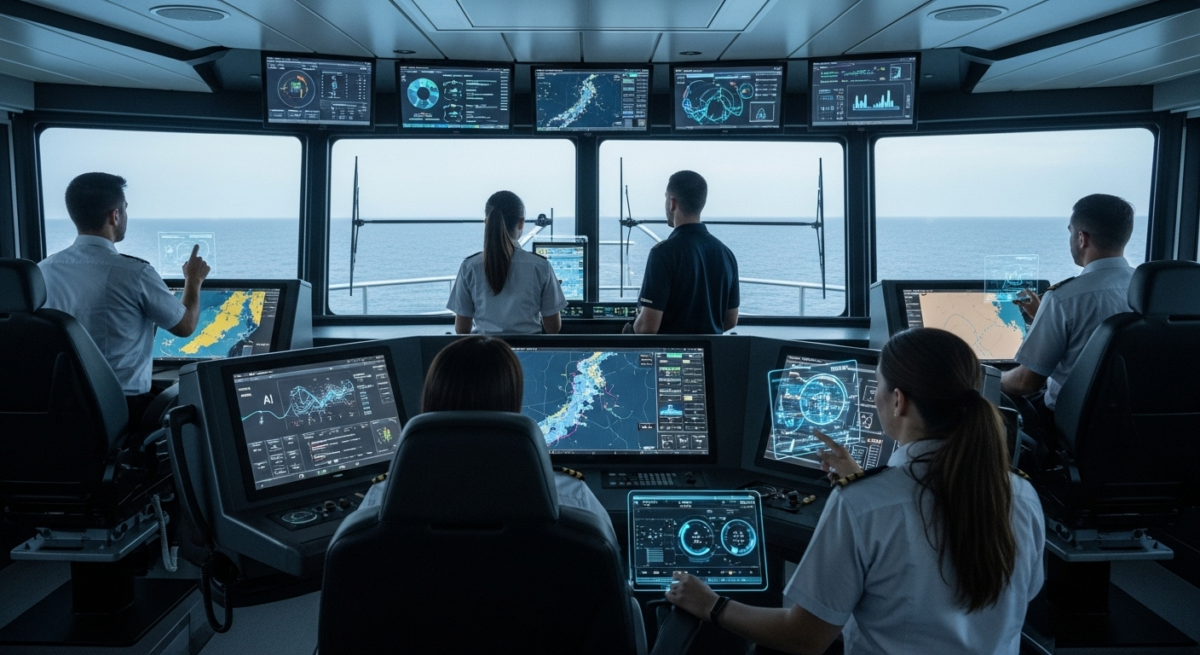
Smart ships use sensors, connectivity, and AI to continuously monitor performance, predict failures, optimize routes, and reduce fuel consumption, often without crew intervention.
Here’s what that looks like on a real vessel:
Key technologies onboard today
- IoT sensors tracking engine health, vibration, temperature, and fuel flow
- Predictive maintenance systems flag failures before breakdowns
- AI-assisted navigation adjusting routes for weather, currents, and congestion
- Digital twins modeling ship behavior under different operating conditions
This isn’t theoretical. Large operators like Maersk are already using advanced analytics to cut fuel consumption and reduce unplanned downtime.
And here’s the part most people miss:
The crew workload often goes down, not up. Less paperwork. Fewer emergency repairs. More focus on navigation and safety.
Are autonomous ships real or just hype?
Autonomous ships are real, but most near-term value comes from partial autonomy, not fully crewless vessels.
The industry isn’t jumping straight to empty bridges. Instead, we’re seeing:
- Automated collision avoidance systems
- Remote engine diagnostics from shore
- Decision-support tools that assist, not replace, officers
Companies like Rolls-Royce have been developing autonomous navigation and remote operation platforms for years, particularly for short-sea and specialized vessels.
Here’s the truth:
Regulation, insurance, and human trust, not technologyare the biggest bottlenecks.
Why ports are digitizing faster than ships
Ports face intense congestion, land constraints, and competition, making automation and data visibility non-negotiable.
Take the Port of Rotterdam. It operates more like a control tower than a traditional harbor:
- AI-driven berth scheduling
- Autonomous yard vehicles
- Real-time cargo tracking
- Predictive maintenance for port infrastructure
Why does this matter to ship operators?
Because a digitally optimized port exposes inefficiencies onboard vessels instantly. If your ETA data is unreliable or your documentation isn’t digitized, you’re the bottleneck now.
How blockchain and digital documents are reshaping maritime logistics
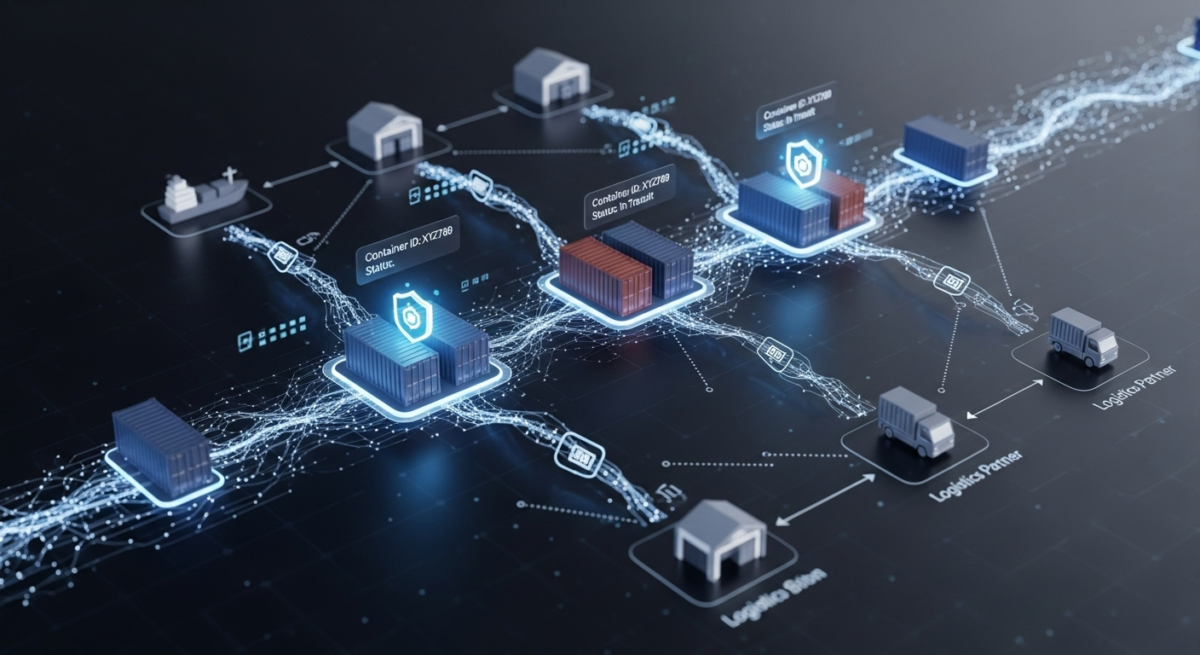
Blockchain and electronic documentation reduce fraud, speed up cargo release, and eliminate weeks of paper-based delays.
Bills of lading are a perfect example. Traditionally:
- Paper documents
- Courier delays
- Manual verification
- High fraud risk
Digital platforms, many built with enterprise partners like IBM, now enable:
- Secure digital bills of lading
- Instant verification
- End-to-end cargo visibility
- Faster financing and insurance processing
I’ve seen shipments shaved from days to hours purely because paperwork stopped moving slower than the ship.
What role does AI play in maritime decision-making?
AI helps maritime operators make better decisions faster, especially under uncertainty.
Common AI use cases today:
- Fuel optimization under variable weather
- Demand forecasting for fleet deployment
- Anomaly detection in engine performance
- Risk scoring for ports, routes, and cargo
Importantly, AI doesn’t replace maritime expertise; it amplifies it. The best systems are built with experienced captains and engineers feeding real-world logic into the models.
Digital transformation and maritime decarbonization: inseparable now
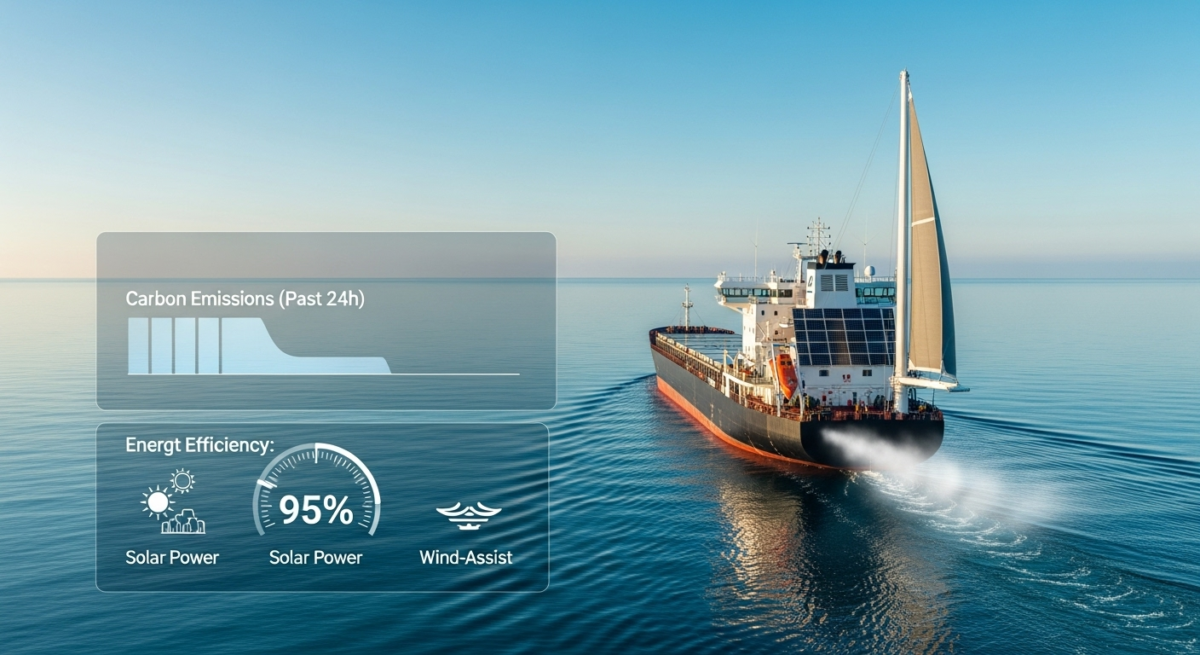
You can’t meet emissions targets without digital systems, full stop.
Organizations like the International Maritime Organization now require increasingly precise reporting on:
- Fuel consumption
- Carbon intensity
- Voyage efficiency
Manual logs don’t cut it anymore.
Digital fuel monitoring, voyage optimization, and emissions dashboards are becoming mandatory infrastructure, not optional upgrades.
And here’s the kicker:
Most fuel savings come from data, not new engines.
A practical snapshot: Traditional vs digital maritime operations
| Area | Traditional Model | Digitally Transformed Model |
| Maintenance | Reactive repairs | Predictive maintenance |
| Navigation | Fixed routes | AI-optimized routing |
| Documentation | Paper-based | Fully digital |
| Fuel use | Estimated | Real-time monitored |
| Compliance | Manual reporting | Automated dashboards |
What’s holding some maritime companies back?
Culture, legacy systems, and fear of disruption.
I’ve seen three common blockers:
- “Our fleet is too old.” (Data systems don’t care how old steel is.)
- “Crew won’t adapt.” (They usually adapt faster than shore teams.)
- “It’s too expensive.” (Fuel inefficiency is more expensive.)
Digital transformation fails when treated as an IT project instead of an operational strategy.
Where is this heading in the next 3–5 years
Expect to see:
- Digital twins as standard fleet tools
- Mandatory real-time emissions reporting
- Wider adoption of remote operations centers
- Increased cybersecurity regulation for ships
- Closer integration between ports and vessels
The maritime industry isn’t becoming “tech-first.” It’s becoming data-dependent.
And there’s no going back.
FAQ’s
Has digital transformation already started in maritime?
Yes. Smart ships, automated ports, digital documentation, and AI-driven analytics are already in active use across global shipping operations, driven by cost pressure, safety needs, and regulatory requirements.
What technologies are driving maritime digitalization?
Key technologies include IoT sensors, AI analytics, cloud platforms, blockchain documentation, digital twins, and automation systems onboard ships and in ports.
Are autonomous ships operating today?
Partially autonomous systems are already deployed, especially in navigation assistance and remote monitoring. Fully autonomous commercial ships remain limited due to regulatory and insurance constraints.
Why is digitalization important for maritime sustainability?
Accurate emissions tracking, fuel optimization, and regulatory compliance depend on digital systems. Without them, meeting decarbonization targets is nearly impossible.
Do small shipping companies need digital transformation?
Yes. Even basic digital tools for fuel monitoring, maintenance planning, and documentation can significantly reduce costs and compliance risk for smaller operators.
Is maritime digital transformation expensive?
Upfront costs exist, but most operators see ROI through fuel savings, reduced downtime, and fewer compliance penalties within the first 12–24 months.
Does digitalization reduce crew jobs?
Generally no. It shifts crew focus from manual reporting and emergency repairs to safety, navigation, and oversight.
How long does maritime digital transformation take?
It’s incremental. Many companies start with 1–2 systems and scale over time rather than attempting a full transformation at once.
Final thought
Here’s the truth most people avoid saying out loud:
The maritime industry didn’t suddenly decide to become digital. It was pushed there by economics, regulation, and physics.
Fuel costs don’t care about tradition.
Congestion doesn’t respect seniority.
And carbon targets don’t wait for comfort.
The transformation has already started. The only real question left is who adapts early and who pays more later.