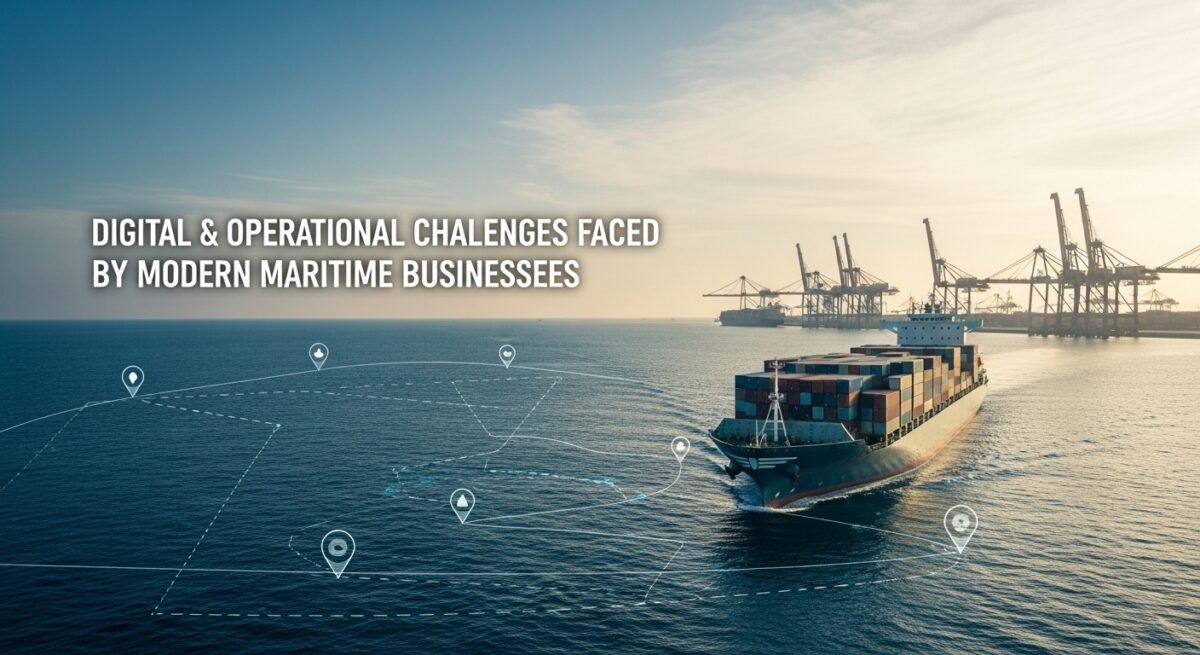
Modern maritime businesses face mounting pressure from digital transformation, cybersecurity threats, regulatory compliance, crew shortages, and operational inefficiencies. As shipping becomes more data-driven, companies must balance legacy systems with new technologies, protect critical infrastructure from cyber risk, meet international regulations, and keep vessels profitable amid volatile global trade and fuel costs.
TL;DR — What’s Really Going On at Sea
- Legacy systems clash with modern digital tools, slowing efficiency
- Cybersecurity risks now threaten vessels, ports, and supply chains
- Regulatory compliance is complex, global, and constantly changing
- Crew shortages and training gaps strain daily operations
- Data exists everywhere, but using it well is the real challenge
Why This Topic Matters More Than Ever

Here’s the thing: maritime has always been conservative for a reason. Ships are expensive, margins are thin, and mistakes at sea are unforgiving. But the last decade flipped the script. Digital systems now touch everything: navigation, maintenance, compliance, cargo tracking, and even crew welfare.
I’ve seen shipping operators with world-class vessels still relying on spreadsheets emailed back and forth between ports. Meanwhile, competitors are using real-time dashboards to reroute ships, cut fuel burn, and avoid regulatory penalties. The gap is growing fast.
Let’s unpack where modern maritime businesses struggle most, and why these challenges aren’t just “IT problems,” but operational survival issues.
What Digital Transformation Looks Like in Maritime (and Why It’s Hard)
Digital transformation in maritime is slow because ships operate globally, systems are fragmented, and downtime is costly.
Most vessels still run a patchwork of technologies, some installed 20 years ago, some cloud-based, some proprietary. Integrating them is messy.
A fleet manager once told me, “Our ship generates tons of data, but none of it talks to each other.” That’s common.
Common digital friction points:
- Legacy onboard systems that don’t integrate with modern software
- Limited satellite bandwidth is restricting real-time data transfer
- High retrofit costs for older vessels
- Vendor lock-in with closed maritime software ecosystems
Add to that vessels operating across jurisdictions, time zones, and connectivity blackouts, and digital transformation becomes a moving target.
How Cybersecurity Became a Maritime Business Risk
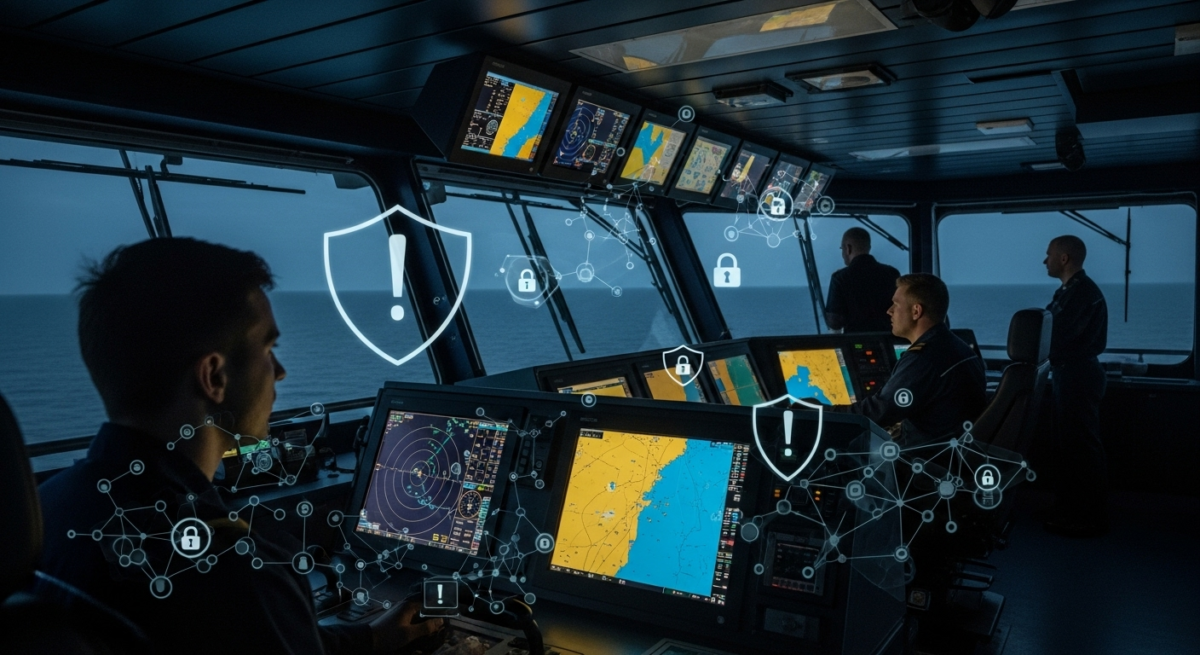
Cyberattacks now pose operational, financial, and safety risks to maritime companies, not just IT headaches.
Shipping learned this the hard way after high-profile attacks disrupted global logistics. A single breach can shut down terminals, paralyze booking systems, or even affect navigation.
This surprises people: ships are floating networks.
Vulnerable systems include:
- Bridge navigation systems (ECDIS, GPS spoofing risks)
- Cargo management and billing platforms
- Port terminal operating systems
- Crew communication and HR systems
Regulators like the International Maritime Organization now require cyber risk management as part of safety management systems. That’s a big shift from optional IT spending to mandatory operational control.
Why Data Overload Is Hurting Decision-Making
Maritime companies collect massive data but struggle to turn it into actionable insight.
Fuel sensors, AIS tracking, weather feeds, engine performance logs, it’s all there. But data without structure creates noise.
I’ve seen operations teams drowning in dashboards while still relying on gut instinct for major decisions.
The real problems:
- No unified data architecture across fleet and shore
- Poor data quality from manual inputs
- Lack of analytics talent with maritime domain knowledge
Without clean, trusted data, predictive maintenance, route optimization, and emissions tracking all fall apart.
Regulatory Compliance: A Moving Target at Sea
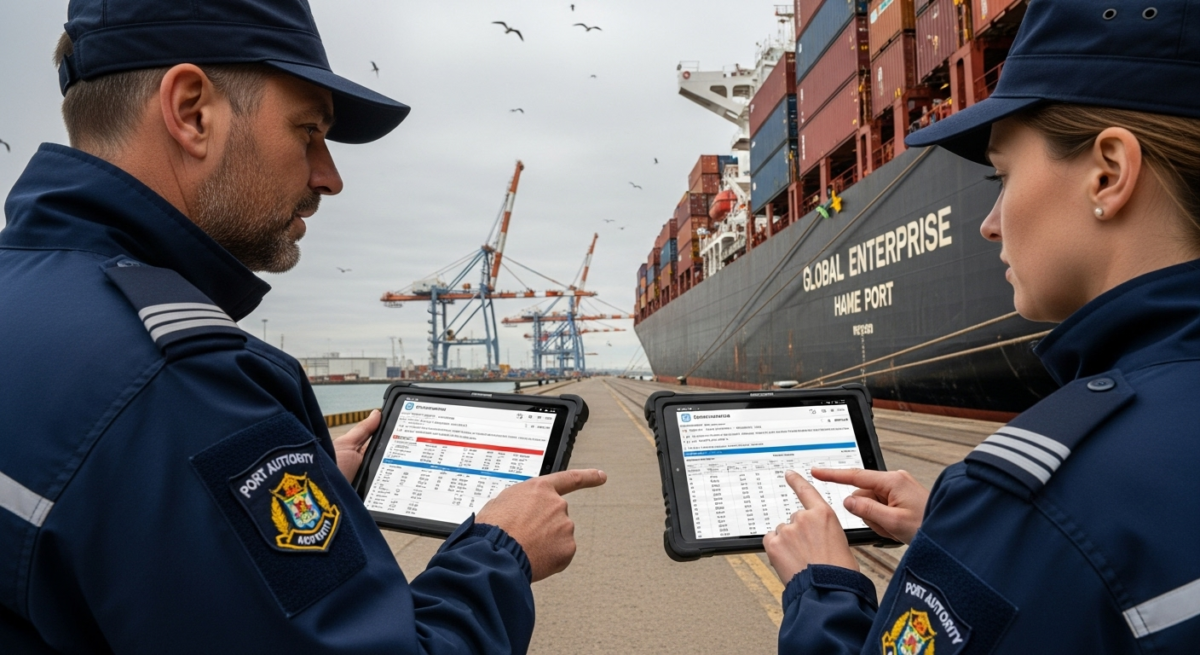
Maritime regulations are global, overlapping, and constantly evolving, making compliance operationally complex.
Between environmental rules, data protection laws, and safety standards, operators juggle dozens of frameworks at once.
Key examples include:
- IMO emissions regulations (CII, EEXI)
- Regional environmental rules (EU ETS expansion)
- Data privacy laws like GDPR are affecting crew and customer data
Here’s where it gets tricky: non-compliance isn’t just fines. It can mean delayed port entry, charter disputes, or reputational damage that costs future contracts.
Environmental Pressure and the Cost of Going Green
Sustainability is no longer optional, but compliance is expensive and operationally disruptive.
Shipowners are under pressure to cut emissions while fuel prices remain volatile. Alternative fuels sound great until you try sourcing them globally.
Operational challenges include:
- Inconsistent fuel availability by port
- Retrofitting vessels for efficiency upgrades
- Monitoring and reporting emissions accurately
Many companies are caught between regulatory deadlines and economic reality.
Crew Shortages and the Human Side of Operations
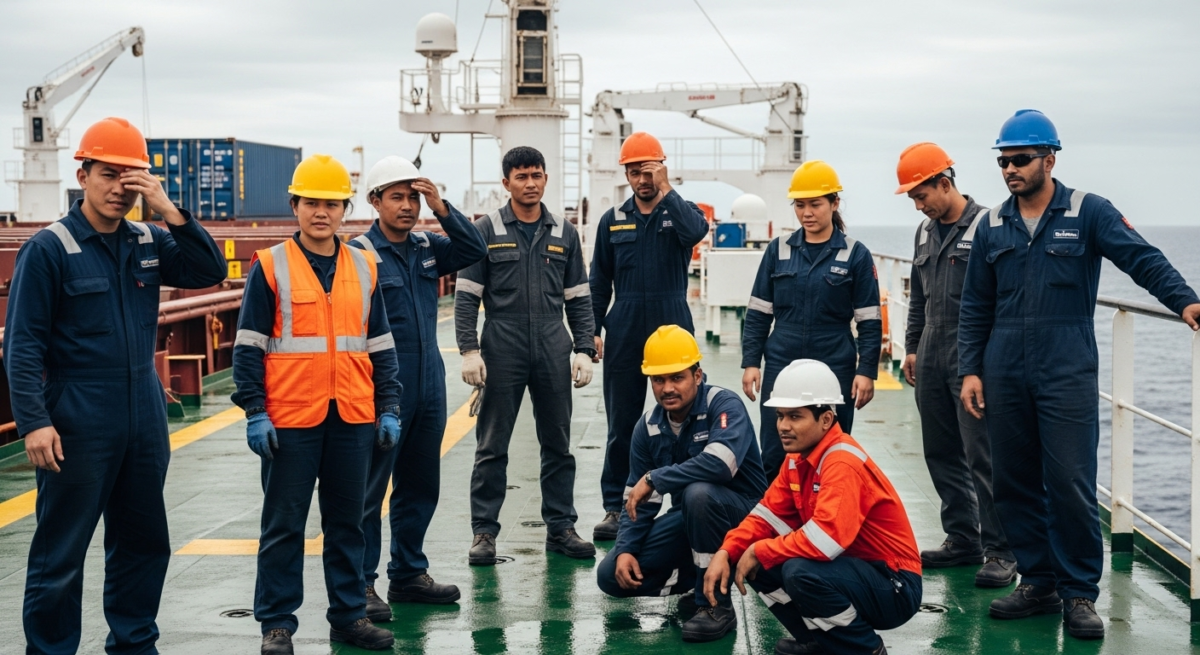
Digital systems don’t replace seafarers, and the industry is struggling to attract and retain them.
Modern ships require hybrid skills: traditional seamanship plus digital literacy. That’s a tall order.
I’ve heard captains complain that new systems arrive with no real training. The result? Tools get ignored, misused, or worked around.
Common crew-related challenges:
- Shortage of skilled officers
- Fatigue from administrative digital reporting
- Poor onboard user experience of the new software
Technology should reduce workload, not add to it. Too often, it does the opposite.
Supply Chain Volatility and Operational Resilience
Global disruptions exposed how fragile maritime operations really are.
Port congestion, geopolitical conflicts, and weather extremes are none of these new. What’s new is their frequency and scale.
Operational resilience now depends on:
- Real-time visibility across voyages
- Flexible routing and scheduling
- Strong coordination with ports and charterers
Digital tools help, but only if processes and people are aligned.
A Quick Checklist: Where Maritime Businesses Get Stuck
| Challenge Area | What Usually Goes Wrong |
| Digital systems | Tools don’t integrate |
| Cybersecurity | Treated as IT, not safety |
| Data | Collected but not trusted |
| Compliance | Reactive instead of proactive |
| Crew | Tech adds workload |
| Sustainability | High cost, unclear ROI |
What This Means for Maritime Leaders
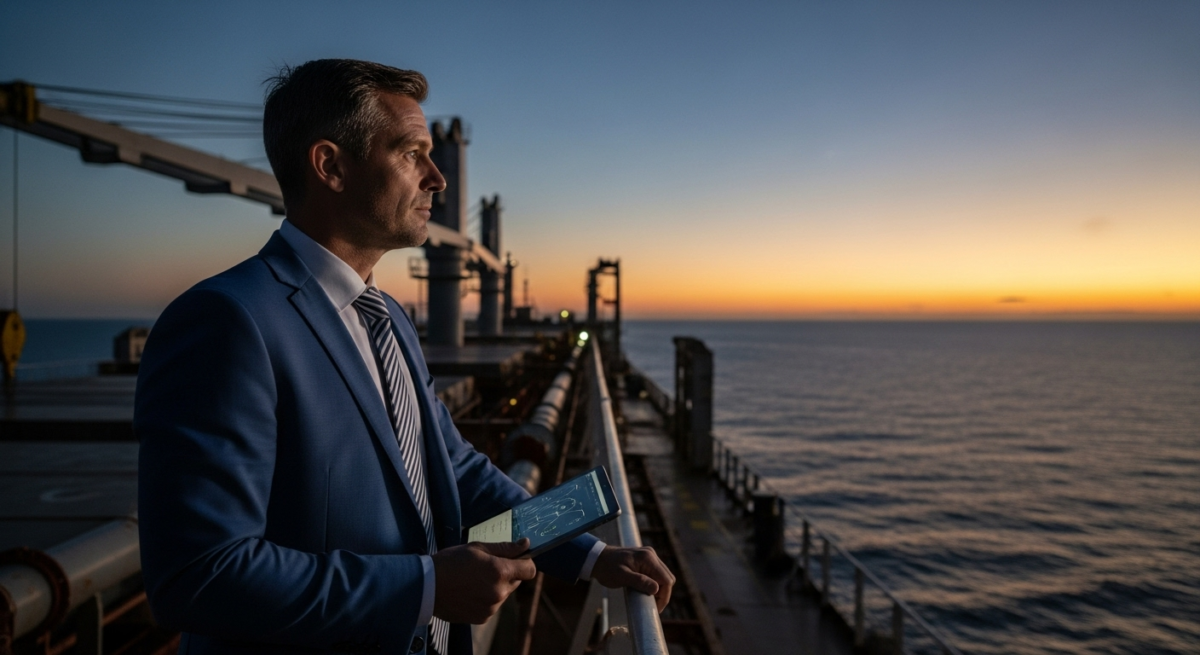
Here’s the blunt truth: digital and operational challenges in maritime aren’t slowing down. Companies that treat them as side projects fall behind. The ones that win embed technology into operational decision-making, invest in people, and plan for regulatory change before it hits.
You don’t need the flashiest tech. You need systems that actually work at sea, crews who trust them, and leadership willing to rethink old habits.
FAQs
What are the biggest digital challenges in the maritime industry?
The biggest challenges include legacy systems, poor system integration, limited connectivity at sea, cybersecurity risks, and difficulty turning operational data into actionable insights. These issues slow decision-making and reduce the return on digital investments.
Why is cybersecurity important for maritime businesses?
Cybersecurity protects navigation systems, cargo operations, and port infrastructure. A single breach can disrupt global supply chains, create safety risks, and lead to regulatory penalties, making it a core operational concern, not just an IT issue.
How do regulations impact maritime operations?
Regulations affect emissions, safety, data handling, and vessel access to ports. Because rules vary by region and change frequently, compliance requires constant monitoring, reporting, and operational adjustments.
How does digitalization affect ship crews?
Digitalization can reduce manual work, but poorly designed systems often increase administrative burden. Without proper training and user-friendly tools, crews may experience fatigue and resistance to new technology.
What role does data play in modern maritime operations?
Data supports fuel optimization, maintenance planning, compliance reporting, and route decisions. However, without clean, integrated data systems, its value is limited and can even mislead operators.
Is digital transformation worth the cost for maritime companies?
Yes, when aligned with operations. Digital tools that reduce fuel use, downtime, and compliance risk often deliver ROI. Problems arise when technology is adopted without process change or crew buy-in.
Are smaller shipping companies at a disadvantage?
Not necessarily. Smaller fleets can be more agile, adopting modular solutions faster than large organizations tied to legacy infrastructure.
What’s the first step toward improving operations?
Start with visibility. Map existing systems, data flows, and pain points before investing in new technology.