

The freight forwarding industry has traditionally relied on referrals, cold outreach, and long-standing relationships. But in 2026, the landscape has shifted dramatically. Decision-makers now search online, compare providers, and evaluate credibility before ever reaching out.
For freight forwarders, this means one thing: your digital presence is now your primary sales engine.
Companies that adopt SEO, AEO (Answer Engine Optimization), and VSO (Voice Search Optimization) are consistently generating higher-quality leads, faster conversions, and predictable revenue pipelines.
Why Lead Generation is Challenging for Freight Forwarders

Generating leads in logistics isn’t as simple as running ads or posting content. There are unique challenges:
- Long sales cycles with multiple touchpoints
- High-value contracts requiring trust and credibility
- Multiple decision-makers (procurement, operations, finance)
- Global competition with price-sensitive clients
Because of this, random marketing tactics don’t work. You need intent-driven, multi-channel strategies.
Understanding Modern Buyer Behavior
Today’s freight buyers are smarter and more independent:
- They research solutions before contacting suppliers
- They search using questions like:
- “Best freight forwarder for China to USA shipping”
- “How to reduce shipping costs internationally.”
- They expect instant answers, not sales pitches
This is where AEO and VSO come in.
Instead of just ranking, your content must:
- Answer specific questions
- Appear in featured snippets
- Be optimized for voice search queries
Top Online Lead Generation Strategies for Freight Forwarders
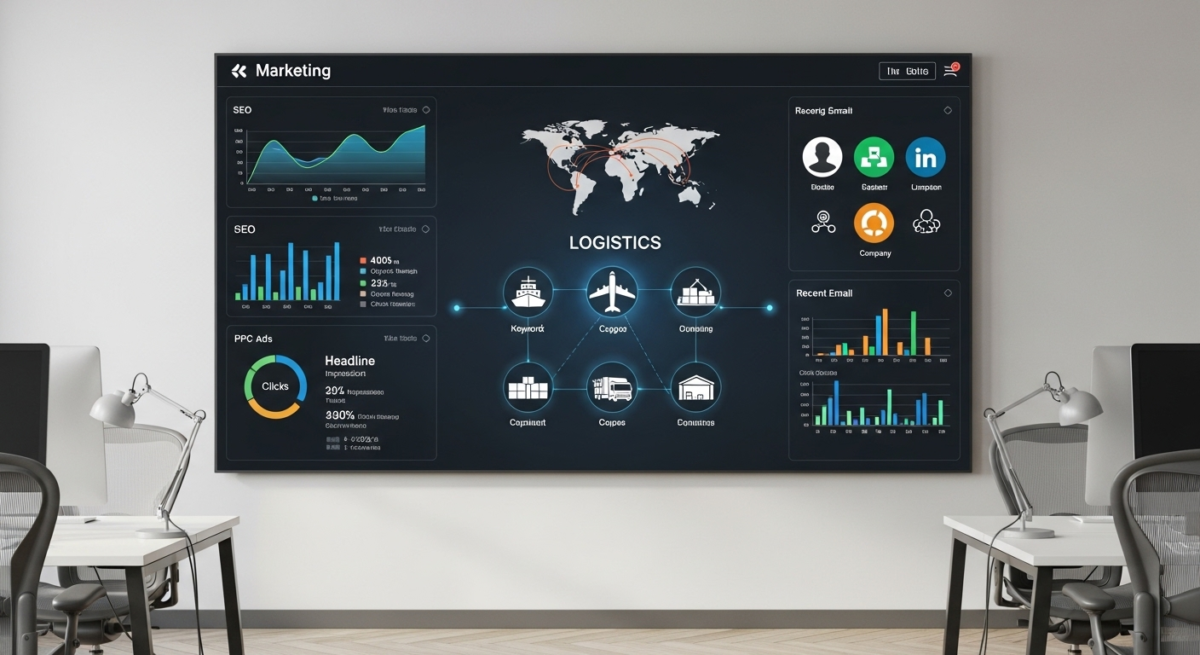
1. SEO & Content Marketing (Your Long-Term Growth Engine)
Search Engine Optimization is the foundation of sustainable lead generation.
What works:
- Target long-tail keywords like:
- “freight forwarder for eCommerce businesses”
- “air freight vs sea freight cost comparison”
- Publish educational blog content
- Create landing pages for specific routes/services
Pro Tip (AEO):
Structure content with clear answers so Google can pull it into featured snippets.
2. Google Ads (High-Intent Leads Instantly)
If SEO is long-term, Google Ads delivers immediate results.
Best practices:
- Target high-intent keywords:
- “freight forwarder near me”
- “international shipping company quote”
- Use dedicated landing pages
- Add strong CTAs like:
- “Get a Free Quote in 24 Hours”
This strategy captures buyers ready to act now.
3. LinkedIn Marketing (The B2B Goldmine)
Freight forwarding is a B2B business, and LinkedIn is where your buyers are.
Organic Strategy:
- Share industry insights
- Post case studies and success stories
- Build authority consistently
Paid Strategy:
- Target job titles like Logistics Manager, Supply Chain Director
- Run lead generation forms
- Retarget website visitors
4. Website Optimization for Conversions
Traffic alone doesn’t generate leads; your website must convert.
Must-have elements:
- Clear CTA buttons (Get Quote, Book a Call)
- Fast loading speed
- Mobile-friendly design
- Trust signals:
- Client testimonials
- Certifications
- Case studies
A well-optimized site can double or triple your lead conversion rate.
5. Email Marketing & Lead Nurturing
Most freight leads don’t convert immediately; they need nurturing.
Effective tactics:
- Send educational emails (shipping tips, cost-saving strategies)
- Segment your audience by industry
- Use automation to follow up consistently
Email keeps your brand top-of-mind until the client is ready.
6. Account-Based Marketing (ABM)
Instead of targeting everyone, focus on high-value accounts.
How it works:
- Identify ideal companies
- Personalize outreach campaigns
- Use LinkedIn + email + ads together
ABM delivers higher ROI with fewer but better leads.
7. Webinars & Educational Content
Position yourself as an expert, not just a service provider.
Examples:
- “How to Reduce International Shipping Costs in 2026”
- “Customs Clearance Mistakes to Avoid”
Use webinars to:
- Capture leads
- Build trust
- Educate prospects
Advanced Lead Generation Tactics (2026 Trends)

To stay ahead, freight forwarders are adopting:
- AI-driven intent tracking
- Website visitor identification tools
- Predictive analytics for lead scoring
These technologies help you:
- Identify who’s visiting your site
- Understand their intent
- Reach out at the right time
Common Mistakes Freight Forwarders Should Avoid
Avoid these costly errors:
- Relying only on referrals
- Ignoring SEO and organic traffic
- Having outdated or slow websites
- Not following up with leads
- Using generic, non-targeted messaging
Fixing these alone can significantly boost lead generation.
How to Measure Lead Generation Success
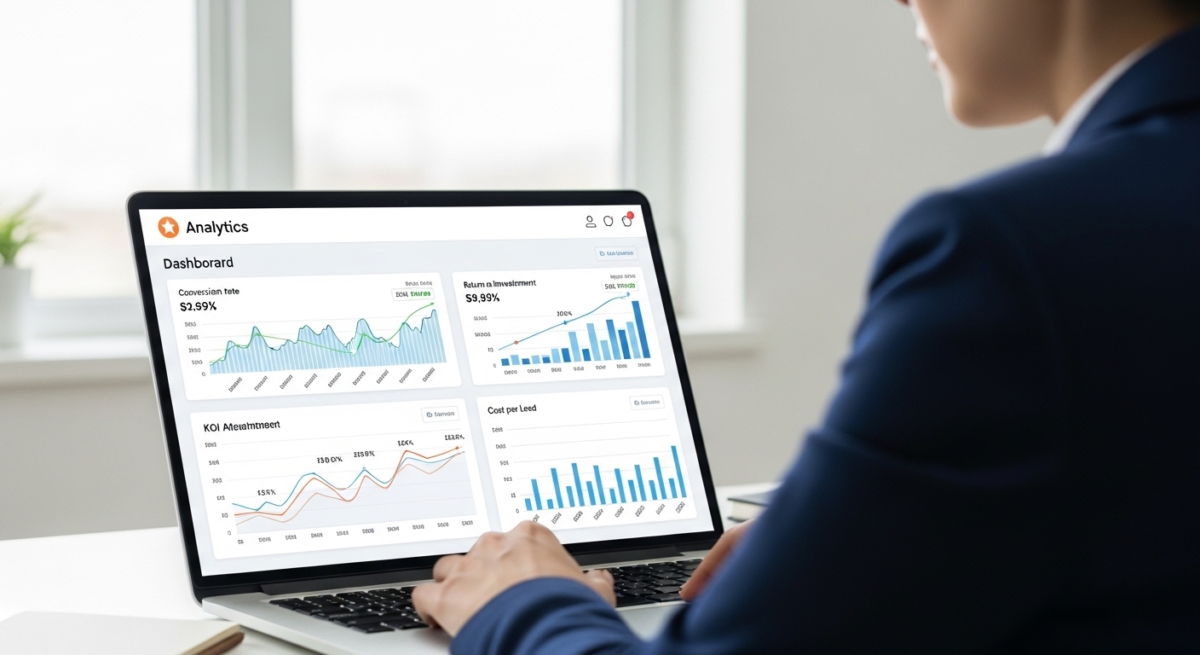
Track what actually matters:
- Cost Per Lead (CPL)
- Conversion Rate
- Return on Investment (ROI)
- Marketing Qualified Leads (MQLs)
- Sales Qualified Leads (SQLs)
Use CRM tools to monitor and optimize performance continuously.
Conclusion
Generating high-quality leads online as a freight forwarder in 2026 requires more than just being present it requires being strategic, visible, and valuable.
By combining:
- SEO for long-term growth
- PPC for immediate leads
- LinkedIn for B2B targeting
- AEO & VSO for modern search behavior
You can build a predictable, scalable lead generation system that drives consistent business growth.
FAQs
How do freight forwarders find clients online?
Freight forwarders find clients through SEO, Google Ads, LinkedIn marketing, content marketing, and email campaigns targeting high-intent prospects.
What is the best marketing strategy for freight forwarding companies?
A combination of SEO, PPC, and LinkedIn marketing is the most effective strategy for generating consistent and high-quality leads.
Is SEO worth it for logistics companies?
Yes, SEO is one of the most cost-effective long-term strategies for generating inbound leads in the logistics industry.
How long does it take to generate leads online?
PPC can generate leads immediately, while SEO typically takes 3–6 months to deliver consistent results.