The maritime industry is rapidly evolving, and digital visibility is no longer optional; it’s essential. Traditional networking and offline channels are being replaced by search engines, AI-driven platforms, and voice assistants.
Maritime SEO (Search Engine Optimization) is the process of optimizing shipping and logistics websites to rank higher on search engines like Google and AI-powered platforms. It enables shipping companies to attract global clients, generate consistent leads, and build long-term authority online.
In 2026, companies that fail to adopt SEO risk becoming invisible in an increasingly digital-first global shipping market.
Why SEO is Critical for Shipping Companies

Shipping companies operate in a highly competitive and globalized environment. SEO provides a strategic advantage by ensuring your business appears exactly when potential clients are searching.
Key Benefits:
- Increased Global Visibility: Reach clients across international markets
- Consistent Lead Generation: Organic traffic brings long-term results
- Higher Credibility: Ranking high builds trust and authority
- Cost-Effective Marketing: Better ROI than traditional advertising
SEO is no longer just about Google; it now includes AI engines and voice assistants, making it even more powerful.
Key Challenges in Maritime SEO
Despite its importance, maritime SEO comes with unique challenges:
- Highly Technical Terminology
- Low Digital Adoption in Industry
- Global vs Local SEO Complexity
- Limited Content Availability
Overcoming these challenges requires a structured and strategic approach.
Core Components of Maritime SEO Strategy
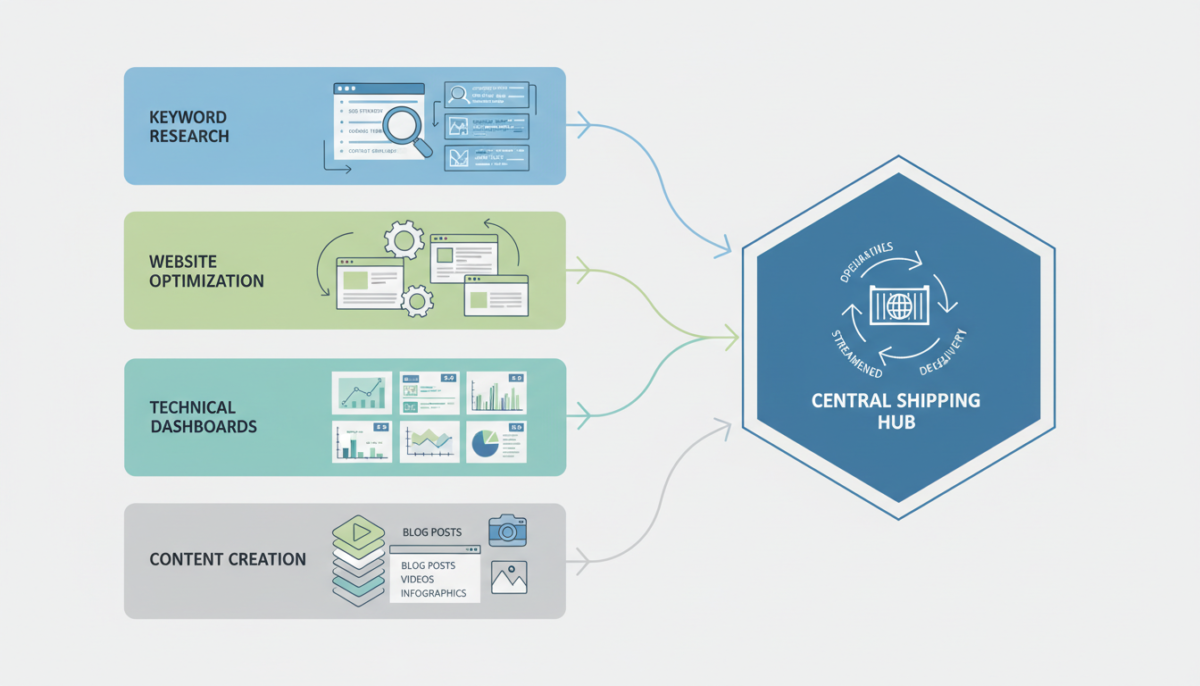
Keyword Research for the Shipping Industry
Effective SEO starts with targeting the right keywords.
Examples of High-Intent Keywords:
- freight forwarding services
- container shipping companies
- maritime logistics solutions
- shipping company near me
Focus on:
- Long-tail keywords (higher conversion)
- Location-based keywords (for port services)
- Voice-friendly queries
On-Page SEO Optimization
Your website must be structured for both users and search engines.
Best Practices:
- Use clear H1, H2, H3 headings
- Optimize meta titles and descriptions
- Include keywords naturally in content
- Create dedicated service pages
- Add internal links between pages
Technical SEO for Maritime Websites
Technical performance directly impacts rankings.
Key Areas:
- Fast loading speed
- Mobile-first design
- Secure HTTPS protocol
- Clean site architecture
- XML sitemaps
Content Marketing for Maritime Authority
Content is the backbone of SEO success.
Content Types That Work:
- Industry blogs
- Case studies
- Shipping guides
- Market reports
High-quality content positions your company as an industry leader.
Link Building in the Shipping Industry
Backlinks improve domain authority and rankings.
Effective Strategies:
- Submit to maritime directories
- Partner with logistics platforms
- Publish guest articles
- Build relationships with industry websites
Local SEO for Port-Based Businesses
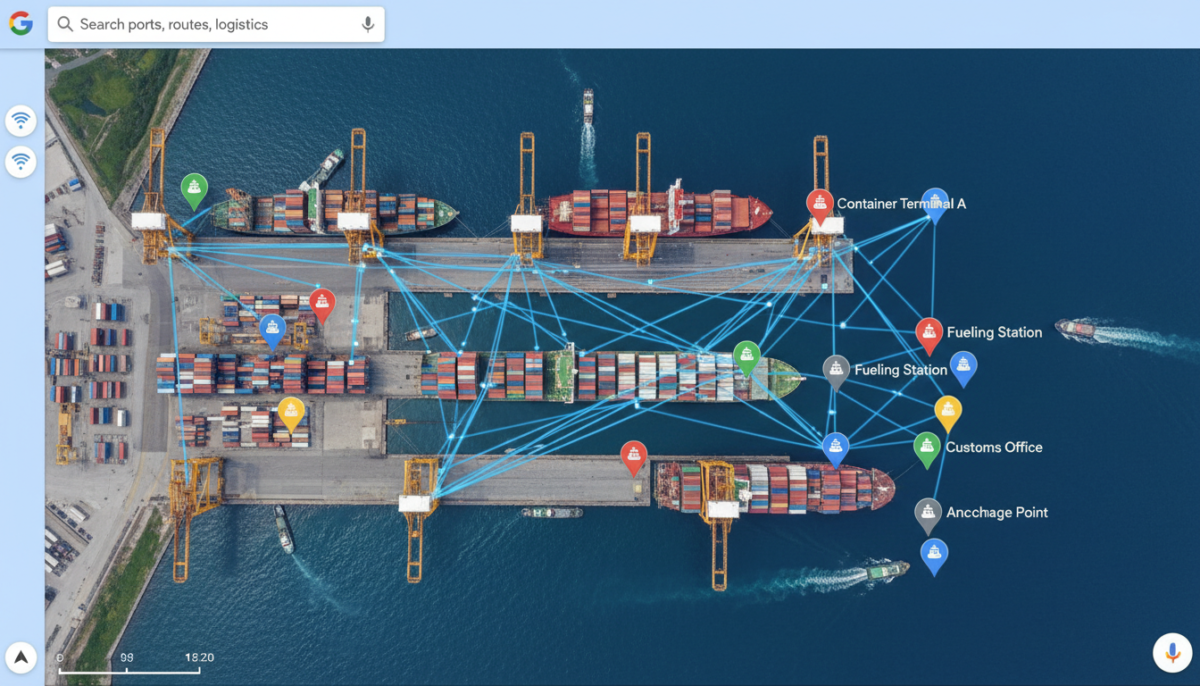
For shipping companies operating in specific regions or ports, local SEO is essential.
Optimization Tips:
- Create and optimize your Google Business Profile
- Use keywords like “shipping company in Houston.”
- Build location-specific landing pages
- Encourage client reviews
Local SEO helps capture high-intent, ready-to-convert traffic.
AEO (Answer Engine Optimization) for Maritime Companies
Search is evolving beyond traditional engines. AI platforms now deliver direct answers.
AEO Strategies:
- Answer questions clearly and concisely
- Use structured headings and FAQs
- Optimize for featured snippets
- Focus on user intent
AEO ensures your content appears in:
- AI tools
- Voice assistants
- Featured answer boxes
Voice Search Optimization (VSO) in the Shipping Industry

Voice search is growing rapidly, especially for local and urgent queries.
Example Queries:
- “Best shipping company near me”
- “How much does freight shipping cost?”
- “Top logistics companies in Pakistan”
Optimization Tips:
- Use conversational language
- Add FAQ sections
- Target question-based keywords
- Keep answers short and clear
Latest Maritime SEO Trends
To stay competitive, shipping companies must adapt to emerging trends:
- AI-driven search algorithms
- Voice and conversational search growth
- Mobile-first indexing
- Automation in SEO analytics
- Integration with digital marketing channels
Companies that adopt these trends early will dominate search rankings.
Step-by-Step Maritime SEO Strategy
Step 1: Conduct a Website Audit
Identify technical and content gaps.
Step 2: Perform Keyword Research
Target high-intent and long-tail keywords.
Step 3: Optimize Website Pages
Improve structure, content, and metadata.
Step 4: Publish High-Quality Content
Focus on value-driven and informative topics.
Step 5: Build Backlinks
Increase authority through external links.
Step 6: Track Performance
Use analytics to measure and improve results.
Common Maritime SEO Mistakes to Avoid
Avoid these pitfalls to ensure success:
- Keyword stuffing
- Ignoring technical SEO
- Poor mobile optimization
- Lack of consistent content
- Not optimizing for voice search
Benefits of Maritime SEO for Shipping Companies
- Long-Term ROI
- Higher Conversion Rates
- Stronger Brand Authority
- Sustainable Business Growth
- Global Market Reach
SEO is not just marketing, it’s a growth engine.
Conclusion
Maritime SEO is transforming how shipping companies attract clients and compete globally. With the rise of AI, voice search, and digital-first behavior, companies must adapt or risk falling behind.
By implementing a comprehensive SEO, AEO, and VSO strategy, shipping businesses can secure top rankings, generate consistent leads, and build a powerful online presence in 2026 and beyond.
FAQs
What is maritime SEO?
Maritime SEO is the process of optimizing shipping and logistics websites to rank higher on search engines and attract relevant traffic.
Why do shipping companies need SEO?
SEO helps shipping companies increase visibility, generate leads, and compete globally in a digital marketplace.
How long does maritime SEO take to show results?
Typically, results can take 3–6 months, depending on competition and strategy.
What keywords should shipping companies target?
High-intent keywords like freight services, logistics solutions, and location-based queries.
How does voice search impact maritime SEO?
Voice search requires conversational, question-based content that delivers quick and clear answers.