
When it comes to the Best Web Design & UX Practices for Maritime Websites That Convert, many shipping and marine businesses overlook one simple truth: your website is your digital port. If it’s cluttered, slow, or confusing, visitors won’t dock; they’ll sail away.
The maritime industry is unique. It includes shipping companies, logistics providers, marine equipment suppliers, yacht brokers, offshore service providers, and port operators. Each audience expects clarity, professionalism, and reliability. That means your website must reflect trust, safety, and operational excellence.
In this in-depth guide, we’ll explore 17 proven web design and UX strategies tailored specifically for maritime websites that want higher engagement and stronger conversion rates.
Why Maritime Websites Need Specialized UX Design?
Maritime businesses operate in a highly technical and trust-driven industry. Clients often include:
- Global logistics companies
- Port authorities
- Offshore oil & gas operators
- Vessel charter clients
- Marine engineers
Unlike typical e-commerce sites, maritime websites must communicate expertise, compliance, safety, and operational capacity.
A poorly designed site can suggest:
- Lack of professionalism
- Outdated technology
- Security risks
- Poor customer service
That’s why the Best Web Design & UX Practices for Maritime Websites That Convert are not just about aesthetics, they’re about credibility and conversion psychology.
1. Clean, Industry-Relevant Visual Design
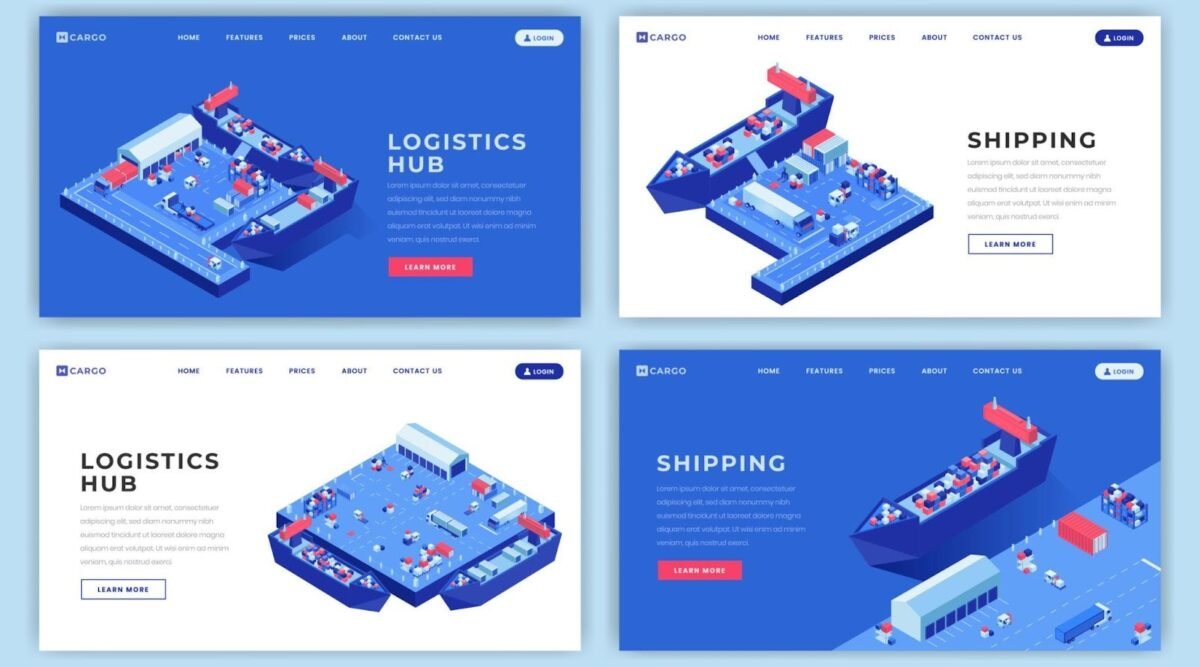
Maritime websites should feel:
- Professional
- Structured
- Trustworthy
- Technically competent
Use Nautical-Inspired But Minimal Branding
Avoid overusing anchors, waves, and ship wheels. Instead:
- Use ocean-inspired color palettes (deep blue, white, steel gray)
- Include high-quality maritime photography
- Maintain a strong contrast for readability
Clean layouts improve comprehension and reduce bounce rates.
2. Clear Value Proposition Above the Fold
Visitors should understand within 5 seconds:
- Who you are
- What you do
- Where you operate
- Why you different
Example:
“Global Offshore Vessel Support Across 5 Continents – 24/7 Maritime Logistics Solutions.”
This clarity directly improves conversion rates.
3. Mobile-Optimized & Responsive Design
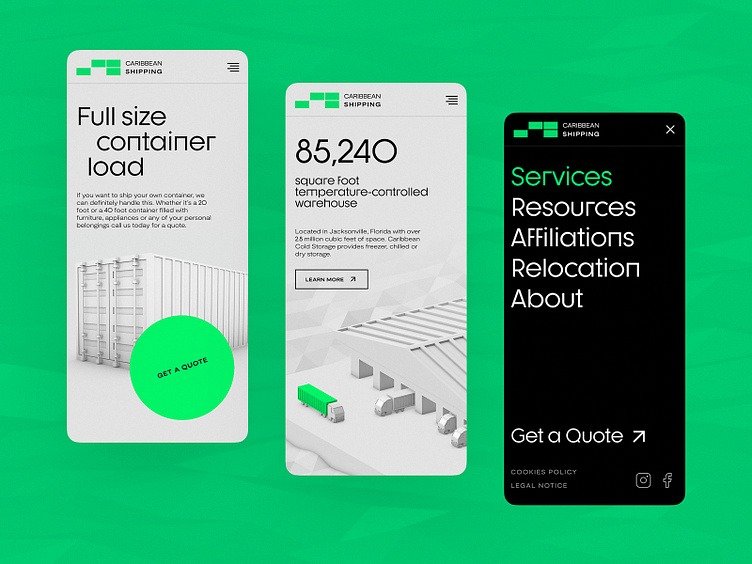
Many maritime professionals browse on:
- Tablets onboard vessels
- Mobile devices at ports
- Field laptops offshore
If your website isn’t responsive:
- Buttons become hard to click
- Tables break the layout
- Forms become unusable
Google also prioritizes mobile-first indexing, meaning poor mobile UX hurts SEO rankings.
4. Fast Loading Speed (Under 3 Seconds)
Maritime audiences often operate in low-bandwidth environments at sea.
Optimize:
- Compressed images
- Lightweight code
- CDN usage
- Lazy loading
According to Google’s performance guidelines, faster websites increase conversion rates significantly.
5. Simple, Structured Navigation
Maritime websites often overwhelm users with technical information.
Instead:
- Use 5–7 primary menu items
- Include dropdown categories
- Add breadcrumb navigation
- Provide a clear “Contact” button
Avoid jargon-heavy menu labels.
6. Trust Signals & Certifications
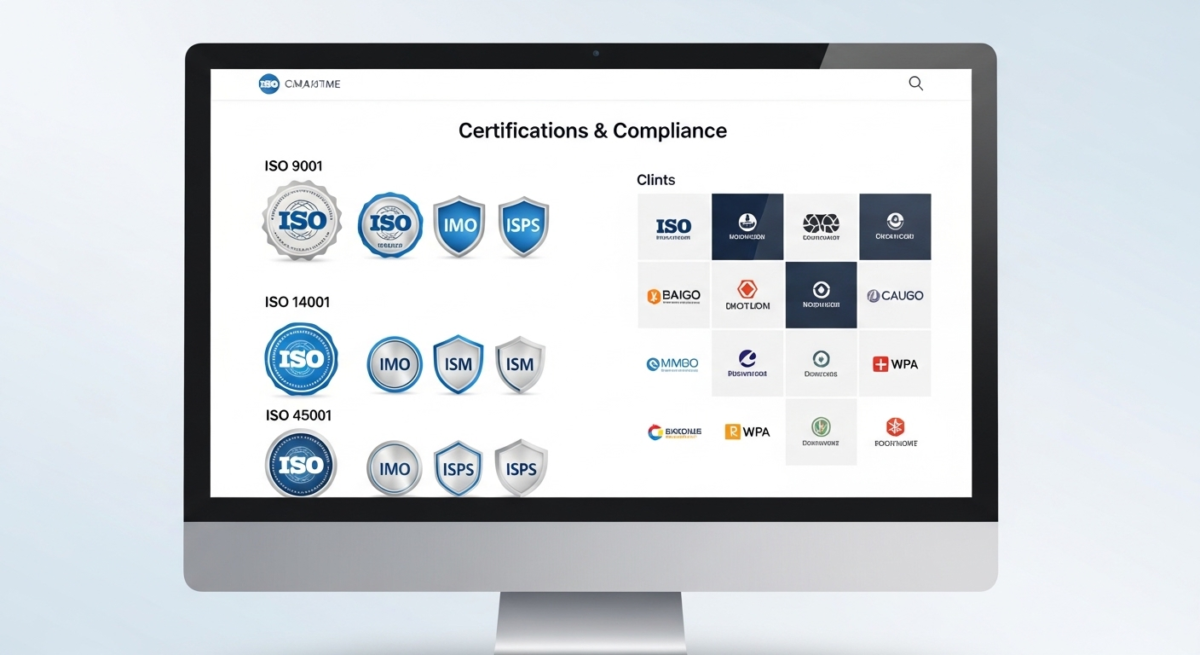
Trust is everything in maritime operations.
Display:
- ISO certifications
- Safety compliance badges
- Industry memberships
- Client logos
- Case studies
These reinforce authority and increase lead form submissions.
7. Strong Call-to-Action (CTA) Placement
The Best Web Design & UX Practices for Maritime Websites That Convert emphasize strategic CTAs.
Examples:
- “Request a Vessel Quote”
- “Schedule Offshore Support Consultation”
- “Get Marine Equipment Pricing”
Place CTAs:
- Above the fold
- After service descriptions
- In sticky headers
- At the end of the blog posts
8. Conversion-Focused Contact Forms
Keep forms short:
- Name
- Company
- Service Needed
- Phone
Avoid asking for excessive details upfront.
Use:
- Multi-step forms
- Clear privacy policy links
- Thank-you confirmation messages
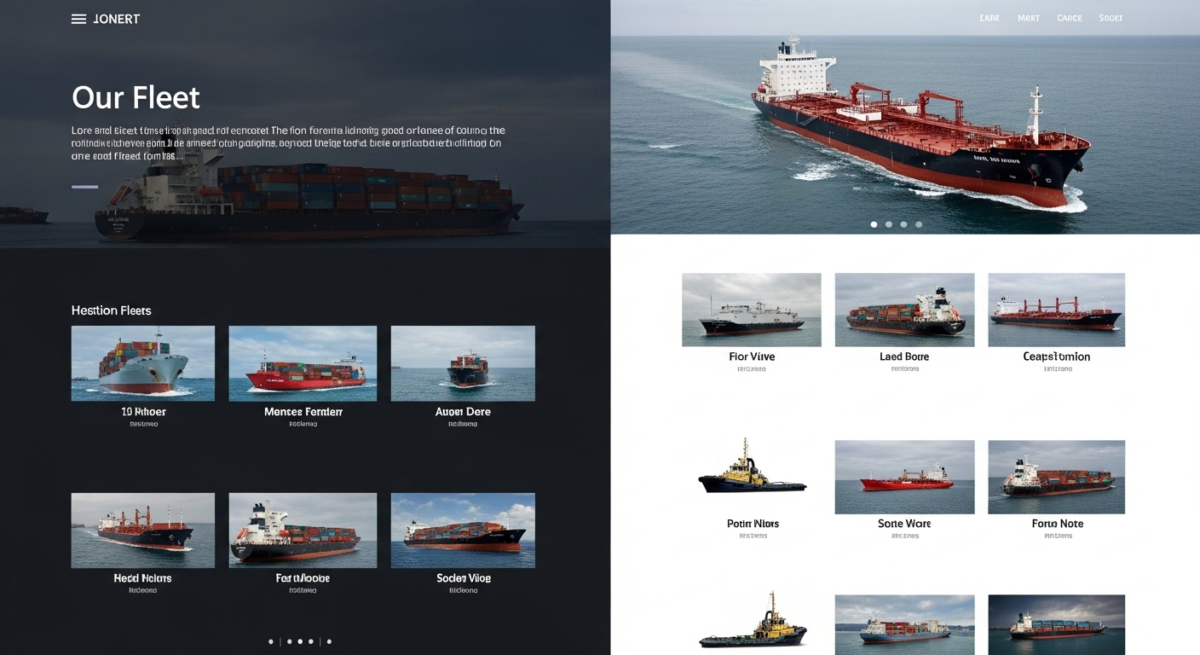
9. Real Vessel & Fleet Showcases
Visual proof builds credibility.
Include:
- Fleet gallery
- Vessel specifications
- Interactive maps
- Service area coverage
High-resolution photography reinforces operational scale.
10. Detailed Service Pages With Clear Structure
Each service should have:
- Overview
- Benefits
- Technical capabilities
- Case example
- CTA
Avoid long, unstructured paragraphs.
11. Clear Geographic Coverage Maps
Maritime businesses are global.
Include:
- Interactive service maps
- Port coverage details
- Regional contact info
This improves clarity and international trust.
12. SEO-Optimized Technical Content
Maritime clients often search for:
- “Offshore supply vessel charter”
- “Marine logistics support the Middle East.”
- “Ship repair dry dock services”
Create blog posts targeting niche maritime keywords.
13. Multilingual Capabilities
Maritime is international.
Consider:
- English + local port languages
- Region-specific landing pages
This increases international conversions.
14. Security & Compliance Transparency
Highlight:
- GDPR compliance
- Data protection policies
- Secure HTTPS encryption
Clients handling cargo contracts require security assurance.
15. Data Visualization & Infographics
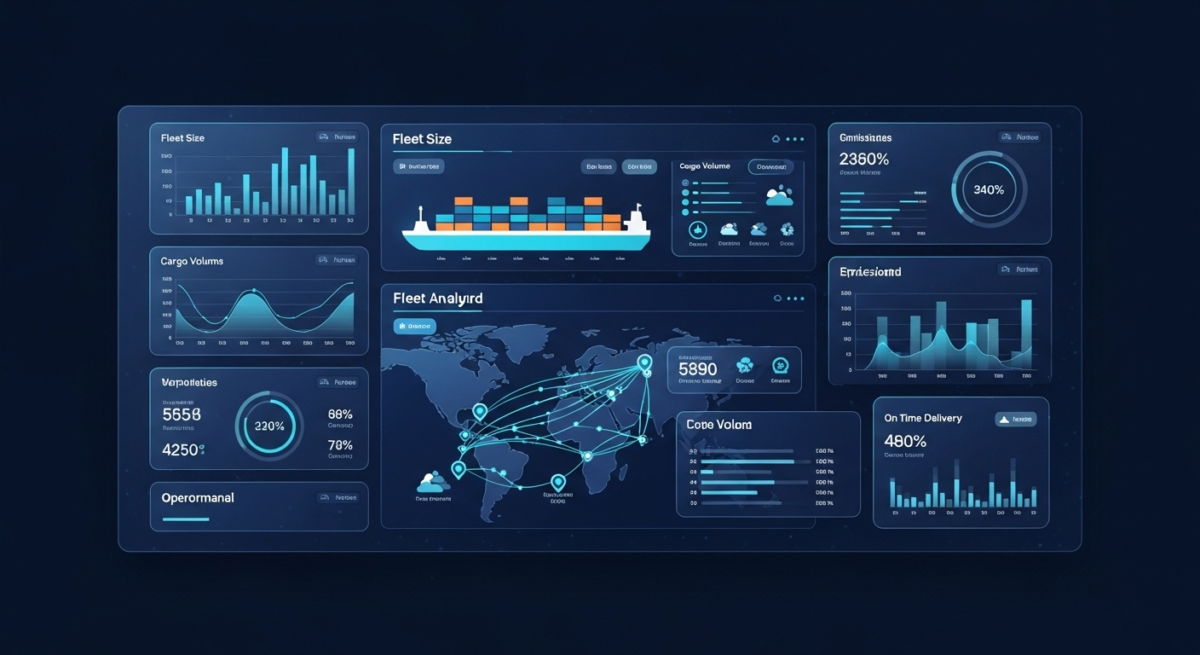
Use:
- Route maps
- Fleet size charts
- Operational dashboards
- Service timelines
Complex maritime operations become easier to understand visually.
16. Testimonials & Case Studies
Feature:
- Client feedback
- Before-and-after scenarios
- Performance metrics
Social proof dramatically improves trust.
17. Continuous UX Testing & Analytics
Use:
- Heatmaps
- Session recordings
- Conversion tracking
- A/B testing
Optimization is ongoing, not one-time.
Frequently Asked Questions
1. Why is UX important for maritime websites?
UX ensures users quickly find relevant services, increasing inquiries and contract opportunities.
2. How does mobile optimization affect maritime conversions?
Many maritime professionals work remotely; a mobile-friendly design increases accessibility and leads.
3. What makes maritime website design different?
It requires industry-specific trust signals, fleet showcases, compliance transparency, and technical clarity.
4. How can maritime companies improve website trust?
Display certifications, fleet images, case studies, and real client testimonials.
5. What are common mistakes in maritime website UX?
Overuse of jargon, cluttered layouts, slow loading times, and unclear CTAs.
6. How often should maritime websites update their design?
Major updates every 3–5 years, with ongoing UX testing quarterly.
Conclusion
Implementing the Best Web Design & UX Practices for Maritime Websites That Convert isn’t just about making your website look modern. It’s about building trust in a highly specialized, global industry where contracts, safety, and performance matter deeply.
By focusing on clarity, speed, trust signals, mobile responsiveness, and strong CTAs, maritime businesses can transform their websites from static brochures into powerful lead-generation engines.
In today’s competitive marine industry, your website should function like a well-operated vessel efficient, reliable, and always ready to perform.