
The maritime industry powers global trade. From container shipping to freight forwarding, companies compete fiercely for contracts. Yet traditional marketing methods trade shows, cold outreach, and broker networks, are no longer enough. That’s where PPC for Maritime: Boosting Leads with Paid Ads in the Shipping Industry becomes a game-changer.
Pay-per-click (PPC) advertising allows maritime businesses to reach decision-makers exactly when they are searching for shipping services. Instead of waiting for leads, companies can proactively capture demand.
Paid ads offer:
- Immediate online visibility
- Precise targeting of logistics professionals
- Measurable return on investment
- Scalable lead generation
In a sector where contracts are high-value and competition is global, strategic PPC campaigns can significantly increase qualified inquiries.
Understanding the Maritime Shipping Industry Landscape

Key Segments: Freight Forwarders, Shipyards, Logistics Firms
The maritime sector is diverse. It includes:
- Container shipping lines
- Bulk cargo operators
- Shipbuilders and repair yards
- Port operators
- Freight forwarders
- Marine equipment suppliers
Each segment has different customer profiles. For example, a freight forwarder may target exporters, while a shipyard focuses on fleet operators.
Understanding your niche helps refine PPC targeting.
B2B Buyer Behavior in Shipping
Unlike eCommerce, maritime buyers are typically:
- Operations managers
- Procurement officers
- Logistics directors
- CEOs of import/export firms
They conduct detailed research before contacting a provider. PPC campaigns must therefore focus on trust, credibility, and industry expertise.
Why PPC Works for Shipping Companies
Immediate Visibility in Competitive Ports
Organic SEO takes time. PPC places your company at the top of search results instantly. When a logistics manager searches for “bulk cargo transport Singapore,” your ad can appear immediately.
Using platforms like Google Ads, maritime companies can bid on high-intent keywords and dominate local markets around major ports.
Targeting Global Trade Routes
Shipping is global. PPC allows:
- Country-level targeting
- Port-specific campaigns
- Time-zone scheduling
- Multilingual ads
For example, you can run ads targeting exporters in Rotterdam while simultaneously targeting importers in Dubai.
Choosing the Right PPC Platforms
Google Search and Display Campaigns
Search ads capture high-intent buyers actively looking for services. Display ads increase brand awareness across shipping news websites.
Learn more about search ads here: https://support.google.com/google-ads/
LinkedIn for B2B Maritime Marketing
LinkedIn is ideal for maritime B2B targeting. You can filter by:
- Job title (Logistics Manager)
- Industry (Maritime, Transportation)
- Company size
- Geographic region
This ensures your ads reach decision-makers, not casual browsers.
Retargeting with Social Media Ads
Retargeting reminds website visitors about your services. Platforms like Facebook allow businesses to show follow-up ads to previous visitors, increasing conversion rates.
Keyword Research for Maritime Campaigns
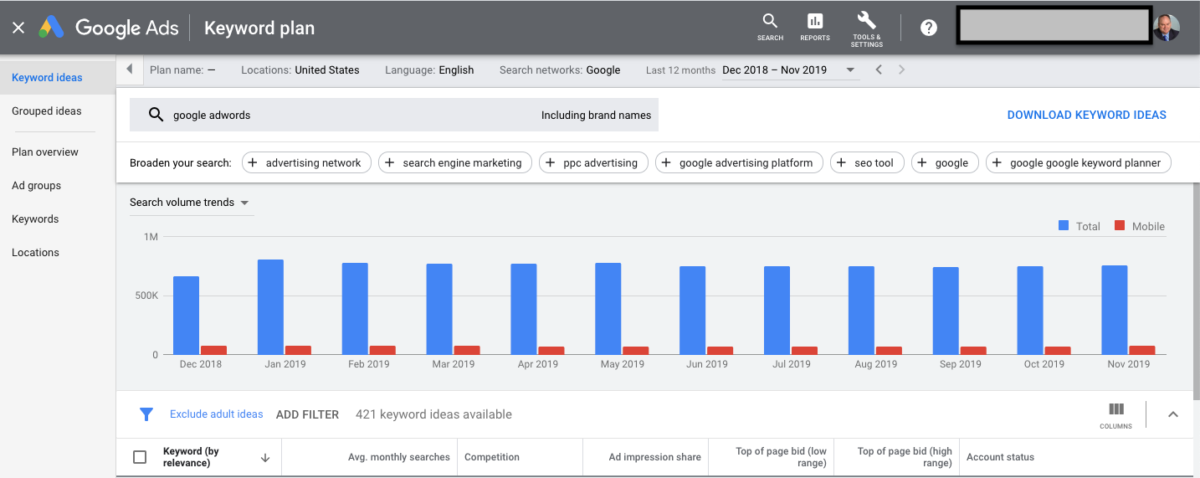
High-Intent Commercial Keywords
Focus on keywords that indicate buying intent, such as:
- “container shipping services USA to Europe”
- “bulk cargo transport company”
- “marine logistics provider near port”
These searches often come from businesses ready to request quotes.
Long-Tail Shipping Queries
Long-tail keywords may have lower search volume but higher conversion rates:
- “refrigerated container shipping for pharmaceuticals”
- “hazardous materials sea freight compliance”
Long-tail strategies reduce competition and cost per click.
Crafting High-Converting Ad Copy
Industry-Specific Messaging
Generic ads fail in maritime marketing. Your messaging should include:
- Fleet capacity
- Years of experience
- Compliance certifications
- Safety record
Example headline:
“ISO-Certified Bulk Shipping | 24/7 Global Freight Solutions”
Strong Calls-to-Action for Shipping Leads
Effective CTAs include:
- Request a Freight Quote
- Schedule a Logistics Consultation
- Get Port-to-Port Pricing
Clear CTAs reduce friction and increase inquiries.
Landing Page Optimization for Maritime Leads
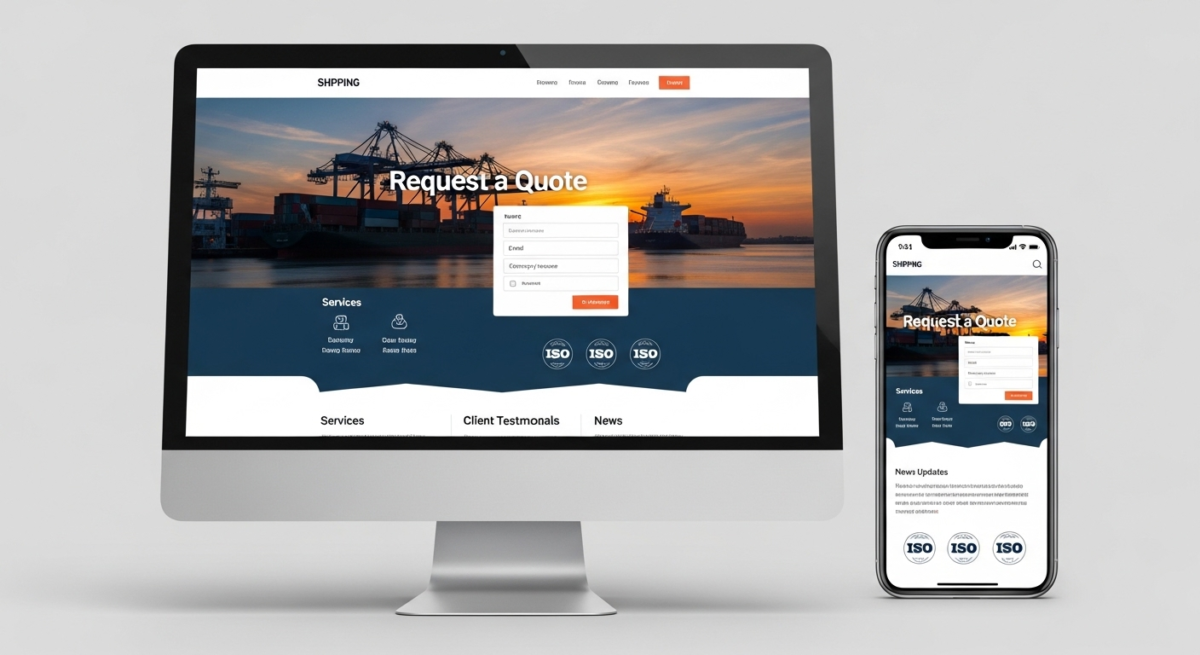
Trust Signals and Certifications
Maritime clients value credibility. Include:
- ISO certifications
- Safety compliance badges
- Case studies
- Client testimonials
Mentioning regulatory alignment with organizations like the International Maritime Organization builds trust.
Conversion Tracking and Lead Forms
Effective landing pages include:
- Short quote request forms
- Clear contact information
- Fast loading speed
- Mobile optimization
Use tracking tools to measure:
- Cost per lead
- Conversion rate
- Click-through rate
Budgeting and Bid Strategies
Manual vs Automated Bidding
Manual bidding gives control over costs, while automated bidding adjusts based on performance data.
For high-value maritime contracts, automated bidding often improves efficiency over time.
Cost Per Lead Optimization
Because shipping contracts are large, paying more per click may still be profitable. Focus on:
- Lead quality over volume
- Negative keyword filtering
- Continuous A/B testing
Geo-Targeting Ports and Trade Hubs
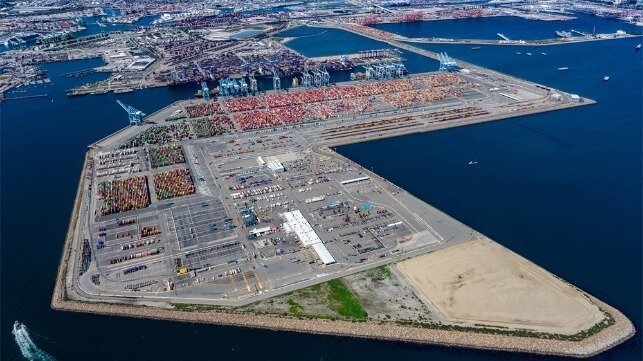
Geo-targeting ensures ads appear near major logistics hubs such as:
- Port of Singapore
- Port of Rotterdam
- Port of Los Angeles
This approach captures regional demand and reduces wasted ad spend.
Compliance and Maritime Advertising Regulations
Shipping is heavily regulated. PPC ads must avoid:
- Misleading claims
- Inaccurate cargo handling promises
- Non-compliance statements
Ensure alignment with international trade laws and maritime safety standards.
Tracking, Analytics, and Performance Metrics
Successful campaigns measure:
- Click-through rate (CTR)
- Conversion rate
- Cost per acquisition (CPA)
- Return on ad spend (ROAS)
Integrate analytics dashboards to monitor performance in real time. Regular reporting ensures campaigns remain profitable.
Common PPC Mistakes in the Shipping Industry
- Targeting too broad keywords
- Ignoring negative keywords
- Sending traffic to generic homepages
- Not tracking conversions properly
- Failing to retarget visitors
Avoiding these mistakes improves efficiency and leads to quality.
Future Trends in Maritime Digital Advertising
Digital marketing in shipping continues to evolve. Trends include:
- AI-driven bidding algorithms
- Predictive analytics
- Account-based marketing (ABM)
- Video advertising for fleet showcasing
Companies that adopt data-driven strategies will stay ahead of competitors.
Frequently Asked Questions (FAQs)
1. Is PPC effective for small maritime companies?
Yes. Even smaller operators can target niche routes or services and generate qualified leads without large marketing budgets.
2. How long does it take to see results?
PPC can generate traffic immediately after launch. However, optimization typically improves results within 30–90 days.
3. What is a good cost per lead in shipping?
It varies, but because shipping contracts are high value, even higher CPLs can be profitable if lead quality is strong.
4. Should maritime companies use LinkedIn Ads?
Absolutely. LinkedIn is powerful for B2B targeting within the logistics and maritime sectors.
5. How do I measure ROI in maritime PPC?
Track revenue from closed contracts compared to ad spend. Use CRM integration for accurate attribution.
6. Can PPC replace traditional maritime marketing?
Not entirely. PPC works best when combined with trade shows, referrals, and networking.
Conclusion
The maritime industry is competitive, global, and constantly evolving. Companies that rely solely on traditional outreach risk falling behind. Strategic implementation of PPC for Maritime: Boosting Leads with Paid Ads in the Shipping Industry provides measurable growth opportunities.
By selecting the right platforms, targeting the right keywords, optimizing landing pages, and tracking performance metrics, maritime businesses can secure high-quality leads and long-term contracts.
Paid advertising is no longer optional, it’s essential. When executed correctly, it delivers consistent inquiries, predictable growth, and a powerful competitive advantage in the shipping industry.