
The maritime industry is changing fast. More vessel operators, procurement managers, and port agents now search online before buying marine equipment. That’s why E-commerce SEO Strategies for Marine Product & Ship Supply Stores are no longer optional; they’re essential.
If you sell marine spare parts, navigation tools, safety gear, engine components, or ship chandlery supplies, your digital visibility directly affects revenue. Let’s dive into a complete, actionable SEO blueprint tailored specifically for marine and ship supply businesses.
Introduction to Marine Ecommerce SEO
Marine ecommerce is a specialized niche. Unlike fashion or electronics, marine products are technical, regulated, and often purchased in bulk.
Buyers include:
- Ship captains
- Fleet managers
- Offshore operators
- Port procurement teams
These customers don’t browse casually. They search with intent.
That means your SEO must focus on:
- Technical accuracy
- Industry terminology
- Fast load speeds
- Global accessibility
If done right, your store becomes a trusted procurement source, not just another online shop.
Understanding the Marine & Ship Supply Market
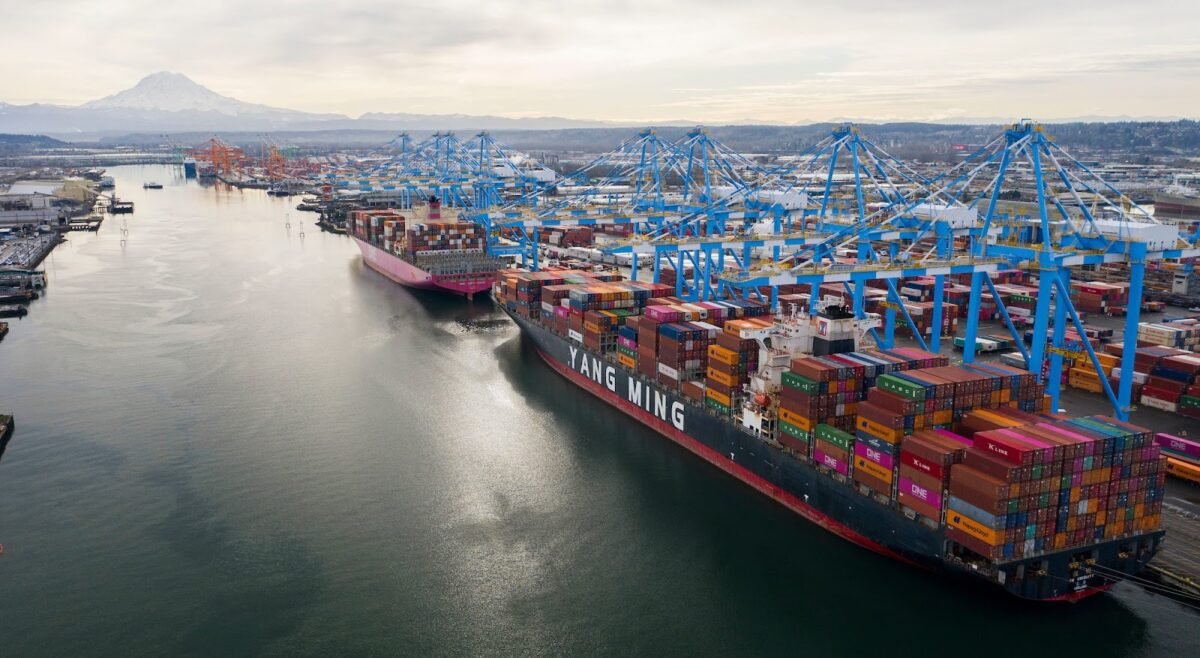
The marine supply industry serves both B2B and B2C markets. However, most ship supply stores focus heavily on B2B transactions.
B2B vs B2C Marine Buyers
| B2B Buyers | B2C Buyers |
| Fleet operators | Boat owners |
| Shipping companies | Yacht enthusiasts |
| Offshore rigs | Fishing hobbyists |
B2B buyers prioritize:
- Certifications (ISO, SOLAS compliance)
- Fast port delivery
- Bulk pricing
- Technical specifications
Your SEO strategy must reflect these priorities.
Unique Challenges in Marine E-commerce
Marine ecommerce comes with specific hurdles:
- Thousands of SKUs
- Complex product specifications
- International shipping rules
- Urgent procurement timelines
Because of this complexity, your SEO must combine clarity with authority.
Keyword Research for Marine Product Stores
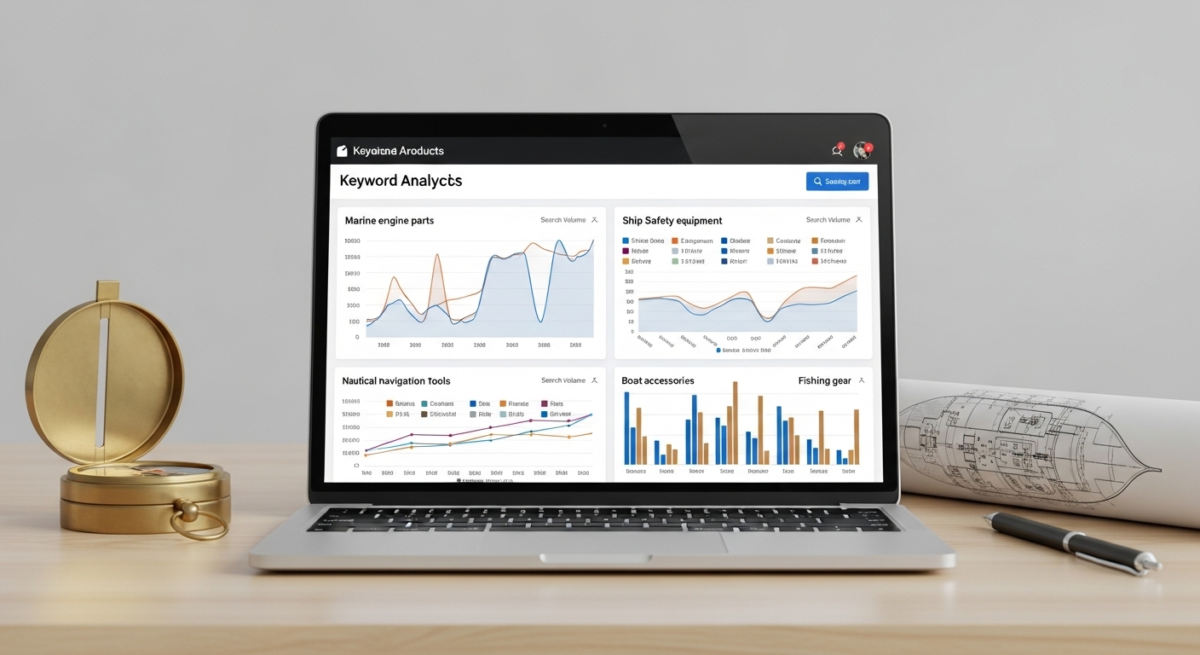
Keyword research is the foundation of effective e-commerce SEO Strategies for Marine Product & Ship Supply Stores.
Start with:
- Marine spare parts
- Ship engine components
- Offshore safety equipment
- Marine navigation systems
- Ship chandlery supplies
Then expand into long-tail keywords:
- “Bulk marine fuel hose supplier”
- “SOLAS-approved life jackets wholesale.”
- “Marine engine piston replacement parts”
Use tools like:
- Google Keyword Planner
- SEMrush
- Ahrefs
Focus on commercial intent keywords that indicate buying behavior.
Using Industry-Specific Search Terms
Marine buyers often use:
- IMO standards
- Part numbers
- Technical acronyms
For example:
- “IMO compliant fire extinguisher”
- “DNV certified marine valves”
Incorporating these terms builds trust and improves ranking accuracy.
On-Page SEO Optimization
On-page SEO ensures each product page ranks independently.
Optimize:
- Title tags (include product type + specification)
- Meta descriptions (clear benefit + urgency)
- URL structure (clean and descriptive)
- H1 tags (product name)
Example:
/marine-engine-piston-abc-2000-series
Avoid generic URLs like:
/product123
Optimizing Product Descriptions
Write descriptions that:
- Explain specifications clearly
- Highlight certifications
- Mention compatible systems
- Include shipping timelines
Don’t copy manufacturer descriptions. Duplicate content hurts rankings.
Technical SEO for Large Marine Catalogs
Large marine stores often have 5,000+ products. Without proper technical SEO, search engines struggle to crawl them.
Focus on:
- XML sitemaps
- Internal linking
- Canonical tags
- Fast hosting
- Image compression
Page speed matters especially for port buyers using mobile networks.
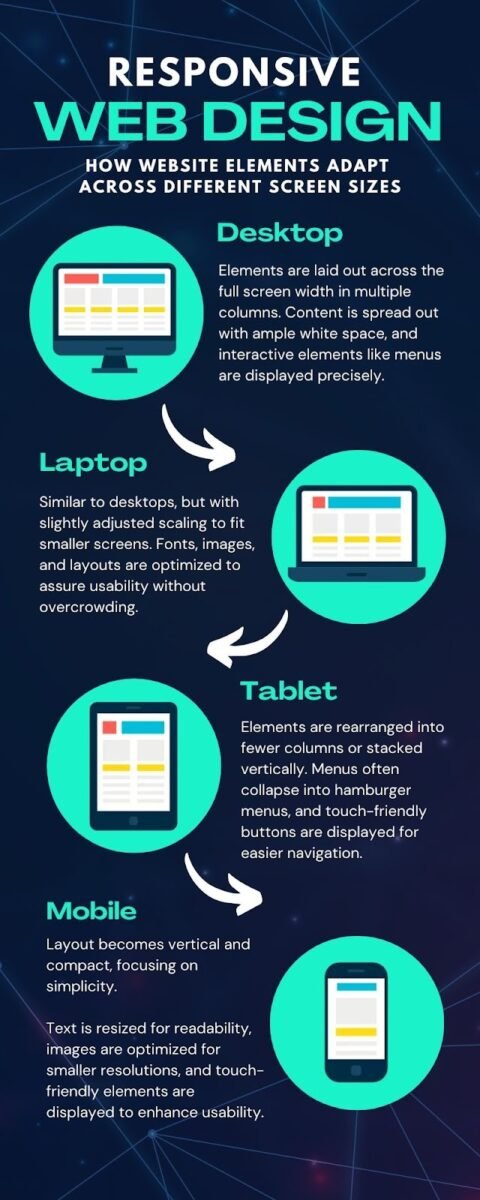
Mobile Optimization for Port Buyers
Many procurement officers search from docks or the ships. Your site must:
- Load under 3 seconds
- Be mobile responsive
- Offer quick checkout
- Display large product images
Mobile-first indexing makes this mandatory.
Category Page Optimization
Category pages should not just list products.
Instead, include:
- 300–500 words of category description
- Technical overview
- Internal links to related categories
Example categories:
- Marine Engine Parts
- Ship Safety Equipment
- Navigation Systems
- Deck Hardware
This boosts topical authority.
Content Marketing for Marine Stores
Content builds authority and trust.
Write blog posts like:
- “How to Choose SOLAS-Approved Safety Gear”
- “Checklist for Ship Engine Maintenance”
- “Marine Valve Buying Guide”
High-quality educational content attracts backlinks and qualified traffic.
Educational Content for Maritime Buyers
Offer:
- Downloadable PDFs
- Equipment comparison charts
- Maintenance checklists
- Compliance guides
This positions your brand as an industry expert.
Local SEO for Port-Based Ship Suppliers
If your warehouse is near major ports, optimize for:
- “Ship supplier in Singapore port”
- “Marine spare parts Rotterdam”
- “Dubai ship chandlery”
Create a Google Business Profile and encourage reviews.
Link Building in the Maritime Industry
Marine SEO thrives on niche authority links.
Build links from:
- Maritime directories
- Shipping blogs
- Offshore industry forums
- Port authority websites
Quality beats quantity.
International SEO for Global Ship Supply
Marine businesses operate globally.
Implement:
- Multi-language pages
- Currency converters
- Hreflang tags
- Country-specific landing pages
International optimization expands reach dramatically.
Conversion Rate Optimization
Traffic is great. Conversions are better.
Add:
- Certification badges
- Secure payment icons
- Live chat support
- Bulk pricing discounts
- Clear return policies
Trust drives large marine purchases.
Analytics & Performance Tracking
Track:
- Organic traffic
- Conversion rates
- Top landing pages
- Bounce rates
- Revenue per keyword
Use Google Analytics and Search Console to refine strategy continuously.
Common SEO Mistakes to Avoid
Avoid:
- Duplicate manufacturer descriptions
- Slow image-heavy pages
- Poor filtering is causing crawl issues
- Ignoring mobile performance
- Keyword stuffing
SEO is a long-term strategy, not a shortcut.
Future Trends in Marine Ecommerce SEO
Expect growth in:
- AI-powered search results
- Voice search for technical queries
- Automated inventory feeds
- Predictive procurement systems
Businesses that adapt early win big.
Frequently Asked Questions
1. How long does marine ecommerce SEO take to show results?
Typically, 3–6 months for noticeable improvements, depending on competition and site authority.
2. Is SEO better than paid ads for ship supply stores?
SEO offers long-term, sustainable traffic, while ads provide immediate but temporary results.
3. Should marine stores focus on B2B keywords?
Yes. Most ship supply businesses generate higher revenue from B2B procurement searches.
4. How important are certifications in SEO content?
Very important. Mentioning SOLAS, IMO, ISO, and compliance standards increases trust and keyword relevance.
5. Can small marine suppliers compete globally?
Absolutely. With strong international SEO and niche specialization, small suppliers can rank worldwide.
6. What is the biggest SEO mistake marine stores make?
Using copied product descriptions from manufacturers.
Conclusion
Implementing E-commerce SEO Strategies for Marine Product & Ship Supply Stores is not just about ranking higher; it’s about building digital authority in a highly specialized industry.
By combining:
- Strategic keyword research
- Technical optimization
- Content marketing
- International SEO
- Trust-building elements
You position your store as a reliable, global marine supplier.
The maritime world runs on efficiency, compliance, and trust. Your SEO strategy should reflect the same values.