
Port cities are busy, competitive, and constantly evolving. Maritime businesses from shipping agents to marine equipment suppliers must compete not just on the docks, but also online. That’s where How Local SEO Helps Maritime Businesses Get Found in Port Cities becomes a critical discussion.
If your maritime company isn’t showing up when someone searches “ship repair near me” or “marine logistics in [city name],” you’re missing real revenue opportunities. Local SEO ensures that when port managers, vessel operators, and logistics coordinators search online, your business appears at the right time and place.
Let’s explore how it works and why it matters more than ever.
Introduction to Local SEO in Maritime Markets
Local SEO (Search Engine Optimization) focuses on improving visibility in geographically related searches. Unlike global SEO, it targets customers in a specific city or region.
For maritime businesses operating in port cities, this is crucial. Ports like:
- Singapore
- Rotterdam
- Houston
- Dubai
are digital battlegrounds. Hundreds of marine service providers compete for visibility.
Local SEO ensures your maritime company appears in:
- Google Maps results
- “Near me” searches
- Local service queries
- Industry-specific searches
Without it? You’re practically invisible.
Understanding the Unique Nature of Maritime Businesses
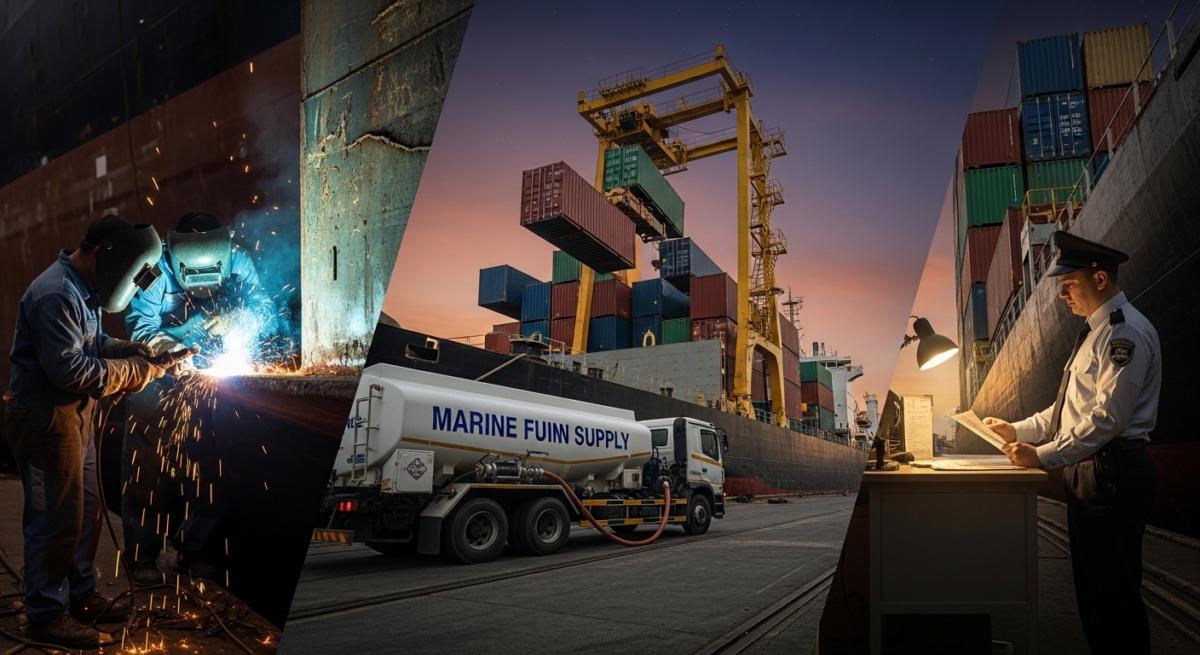
Maritime businesses aren’t like typical retail stores. They operate in specialized environments, often serving:
- Cargo ships
- Tankers
- Cruise liners
- Offshore platforms
- Port authorities
Services may include:
- Ship repair
- Marine fuel supply
- Freight forwarding
- Customs clearance
- Dockside logistics
These services are highly location-dependent. A ship docked in Houston won’t hire a repair crew in Rotterdam. That’s why local digital visibility is everything.
Why Port Cities Are Highly Competitive Digital Markets
Port cities are global trade hubs. Businesses from around the world operate there. This creates:
- High search competition
- Multiple service providers
- International clientele
- Urgent service demands
When a vessel needs emergency repair, operators search online immediately. If your company doesn’t appear in the top three local results, the opportunity goes to someone else.
How Local SEO Helps Maritime Businesses Get Found in Port Cities
This is the heart of the matter. How Local SEO Helps Maritime Businesses Get Found in Port Cities can be broken down into practical strategies.
Optimizing Google Business Profiles
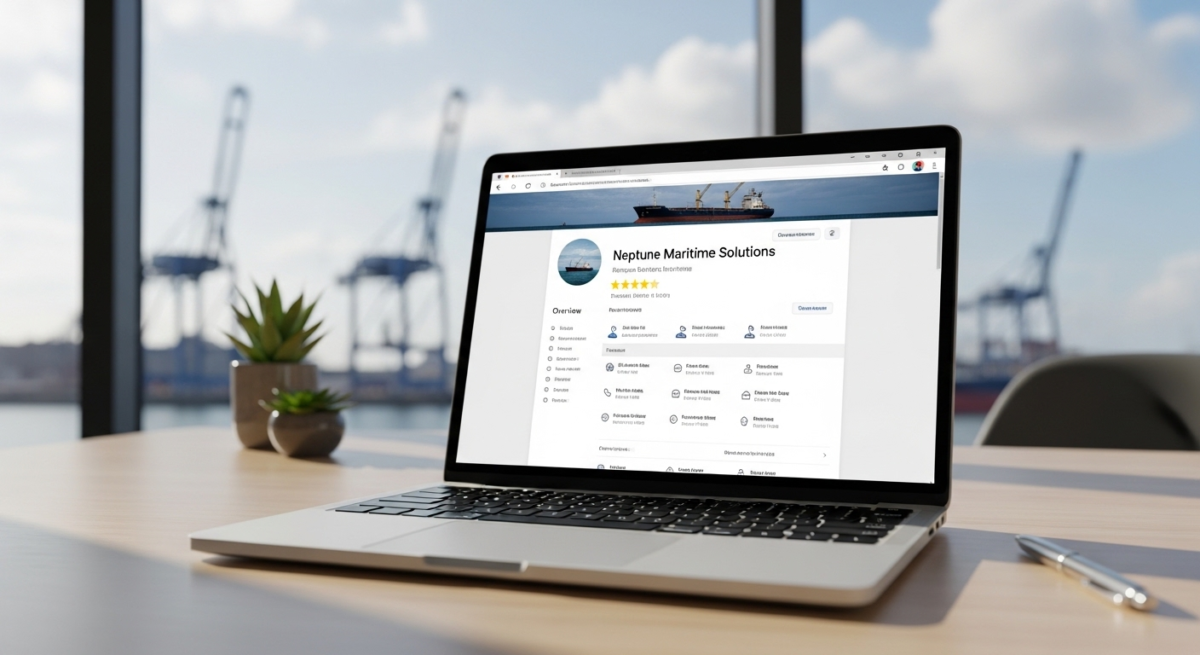
A complete Google Business Profile increases your chances of appearing in local search results and Google Maps.
Key steps:
- Use accurate port-based addresses
- Add maritime service categories
- Upload dockside photos
- Include service hours
- Collect verified reviews
Consistency across platforms builds trust.
Location-Based Keyword Targeting
Maritime companies must use keywords like:
- “Ship repair in Houston Port”
- “Marine logistics Singapore harbor”
- “Freight forwarding Rotterdam docks.”
Search engines match these keywords to local intent.
Add city names, harbor names, and maritime terms throughout your website.
Managing Online Reviews and Reputation
In port cities, trust matters.
Encourage clients to leave reviews mentioning:
- Speed of service
- Compliance knowledge
- Safety standards
- Reliability
Positive reviews improve rankings and influence decisions.
Local Citations and Maritime Directories
Listing your business in:
- Marine trade directories
- Port authority listings
- Shipping association websites
improves credibility and SEO value.
Being associated with recognized industry bodies boosts authority.
Mobile Search and On-the-Go Decision Makers
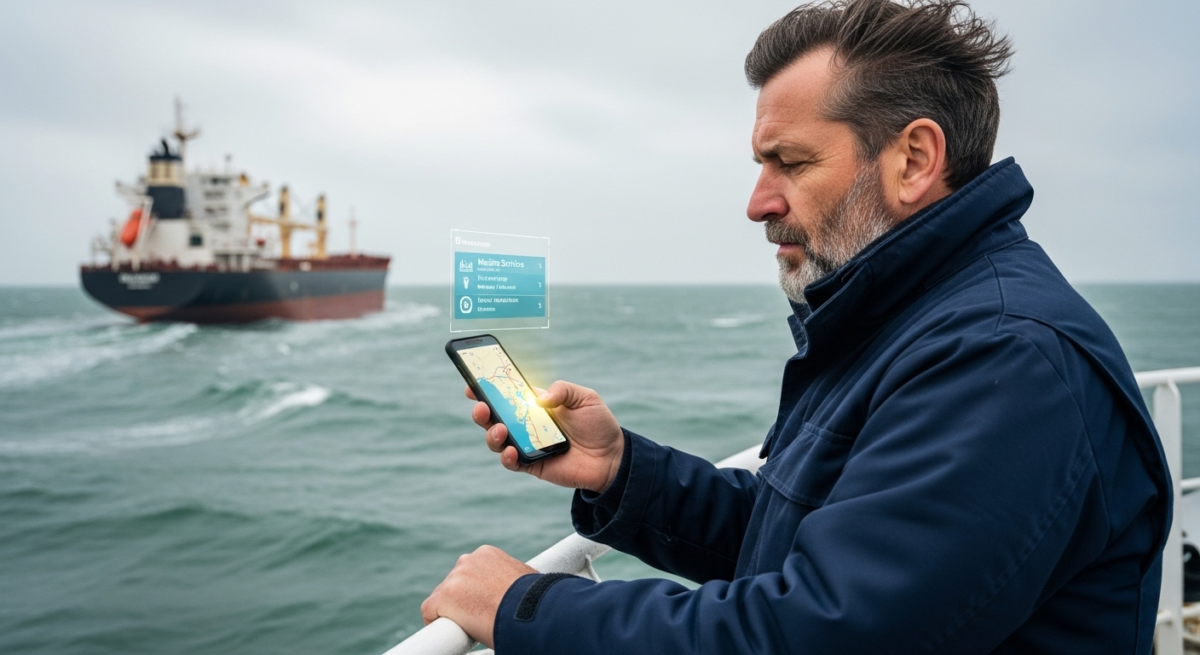
Port professionals rely heavily on mobile devices. Ship captains, port agents, and operations managers often search while on-site.
If your website:
- Loads slowly
- Isn’t mobile-friendly
- Lacks click-to-call features
You lose business instantly.
Mobile optimization is non-negotiable.
The Role of Maps and “Near Me” Searches
When someone searches:
- “Marine electrician near me”
- “Dockside welding services”
Google prioritizes local proximity.
To rank higher:
- Verify your business location
- Embed Google Maps on your site
- Use structured data markup
Visibility on maps often drives more leads than standard search listings.
Content Marketing for Maritime Authority
Publishing valuable maritime content helps build authority.
Examples include:
- Port regulation updates
- Maritime compliance guides
- Shipping logistics tips
- Dock safety checklists
Content builds trust and improves rankings.
For example, businesses operating near the Los Angeles port could publish guides about West Coast shipping regulations.
Technical SEO for Maritime Websites
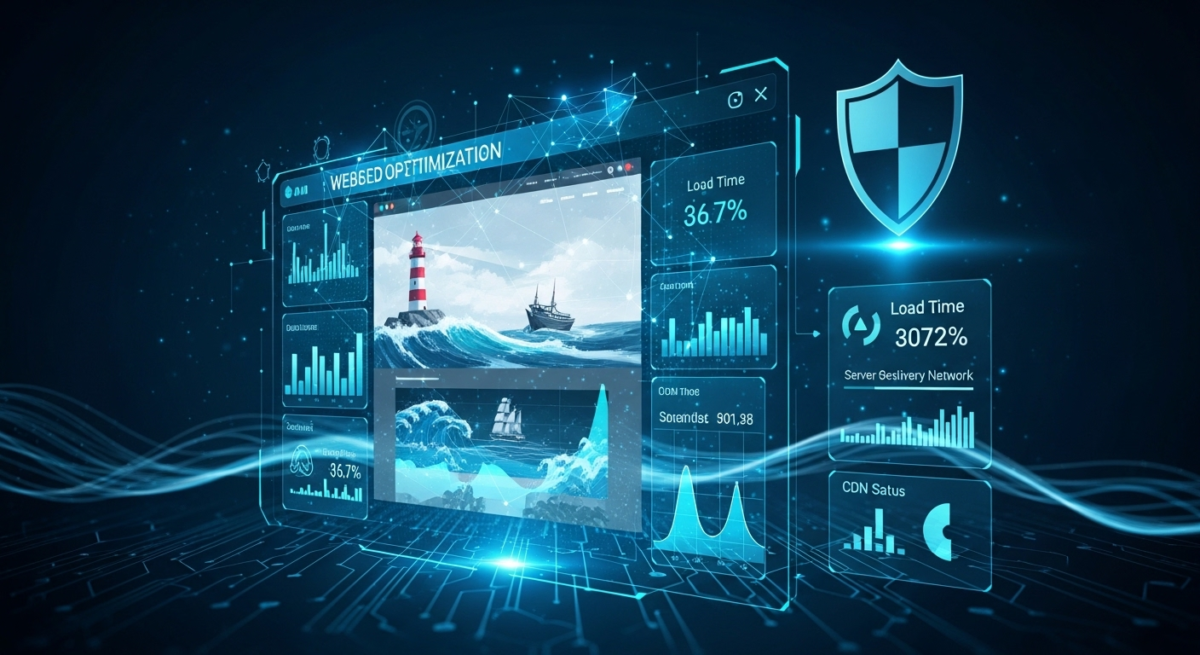
Behind-the-scenes optimization matters.
Important factors:
- Fast loading speed
- Secure HTTPS encryption
- Structured schema markup
- Clear navigation
- XML sitemaps
Technical improvements help search engines understand your business location and services.
Local Backlinks from Port Authorities and Trade Groups
Backlinks are like digital endorsements.
Maritime businesses should seek links from:
- Port authority websites
- Local trade associations
- Chamber of Commerce sites
- Industry blogs
For example, companies operating near Hamburg can collaborate with regional maritime networks.
Case Examples from Major Port Cities
In competitive ports like:
- Shanghai
- Antwerp
- Long Beach
Companies using local SEO strategies consistently rank higher and secure more contracts.
The difference? Strategic digital positioning.
Measuring ROI from Local SEO Campaigns
Track these metrics:
- Website traffic from port regions
- Calls from Google listings
- Direction requests
- Form submissions
- Conversion rates
Local SEO often delivers higher ROI than traditional advertising.
Common Mistakes Maritime Businesses Make
Avoid:
- Ignoring Google Business Profiles
- Using generic keywords
- Having outdated contact details
- Ignoring reviews
- Not optimizing for mobile
These mistakes cost visibility and revenue.
Future Trends in Maritime Local SEO
Emerging trends include:
- Voice search optimization
- AI-driven search results
- Hyper-local targeting
- Real-time shipping updates
Maritime businesses that adapt early will dominate digital visibility in port cities.
Frequently Asked Questions
1. Why is local SEO important for maritime businesses?
Because maritime services are location-specific, clients search based on port cities. Local SEO ensures visibility in those searches.
2. How long does local SEO take to show results?
Typically, 3–6 months for great improvements, depending on the competition.
3. Does Google Business Profile really matter?
Yes. It significantly improves map visibility and local rankings.
4. Can maritime businesses compete without SEO?
It’s possible, but extremely difficult in competitive port cities.
5. Is mobile optimization necessary?
Absolutely. Many port professionals rely on smartphones for quick searches.
6. What’s the biggest benefit of local SEO?
Increased visibility exactly when customers need urgent maritime services.
Conclusion
In competitive harbor environments, digital visibility can determine success. How Local SEO Helps Maritime Businesses Get Found in Port Cities is not just a marketing concept; it’s a survival strategy.
By optimizing local listings, targeting port-specific keywords, building authority, and improving technical performance, maritime companies can secure more contracts, build trust, and grow sustainably.
In today’s maritime world, if you’re not visible online, you’re missing the tide.